
Kidney Disease in Cats: Why Early Detection Matters
Kidney disease is one of the most common and serious health issues affecting cats, yet it often develops so quietly that many families don’t notice until the condition is advanced. Because cats are experts at hiding discomfort, the earliest signs- like drinking more water, losing weight, or subtle changes in litter box habits- can easily be overlooked. The sooner kidney disease is identified, the more options there are to slow its progression, relieve symptoms, and preserve quality of life. At Town & Country Animal Hospital in Athens, AL, we combine advanced diagnostics with compassionate care to help families recognize these signs early and support their cats through every stage of the disease.
Understanding Feline Kidney Disease
What is Feline Kidney Disease?
Feline kidney disease occurs when the kidneys gradually lose their ability to filter waste from the blood. The most common form seen in practice is chronic kidney disease (CKD), which develops over months or years. Unlike acute kidney injury, which occurs suddenly due to toxins or infections, CKD progresses steadily and requires long-term management rather than emergency intervention.
Chronic kidney disease in cats affects approximately 30–40% of cats over 10 years old, making it one of the leading health challenges in aging cats. Middle-aged cats can also be affected, so routine monitoring remains important at any age.
Why Early Detection is Crucial
Cats can lose up to 75% of kidney function before obvious symptoms appear. This silent progression makes early detection both challenging and essential. Early identification of kidney disease allows us to slow progression and protect quality of life.
Early intervention allows us to address diet, hydration, and complications before they become severe. The staging guidelines from the International Renal Interest Society help veterinarians tailor care to each cat, reinforcing how early diagnosis supports better outcomes.
Identifying the Early Signs
Common Symptoms to Watch For
The earliest signs often seem subtle. Increased thirst and urination appear first as the kidneys lose the ability to concentrate urine. You might observe your cat drinking from faucets or plant saucers, or notice you’re scooping larger clumps and cleaning the litter box more frequently.
Weight loss and decreased appetite can follow as waste products build up in the bloodstream and cause nausea. Some cats become picky about textures or temperatures, while others simply eat less.
Changes in litter box habits- including urinating outside the box, producing larger volumes, or straining- often prompt a veterinary visit and can be an invaluable early warning.
Behavioral Changes
Cats with developing kidney disease may show increased lethargy, sleeping more and playing less. Social cats may withdraw, while independent cats may seek extra comfort.
Grooming changes are telling: dehydration and toxin buildup can lead to a dull, unkempt coat. You might also notice a subtle ammonia-like odor on the breath, suggesting elevated waste products.
How Other Conditions Can Mask Kidney Issues
Kidney disease commonly coexists with hyperthyroidism. The AAHA feline hyperthyroidism guidelines explain how this condition can temporarily mask kidney disease by altering lab values, making comprehensive testing essential for accurate diagnosis and treatment planning.
Diagnosis and Monitoring
Comprehensive Testing for Accurate Diagnosis
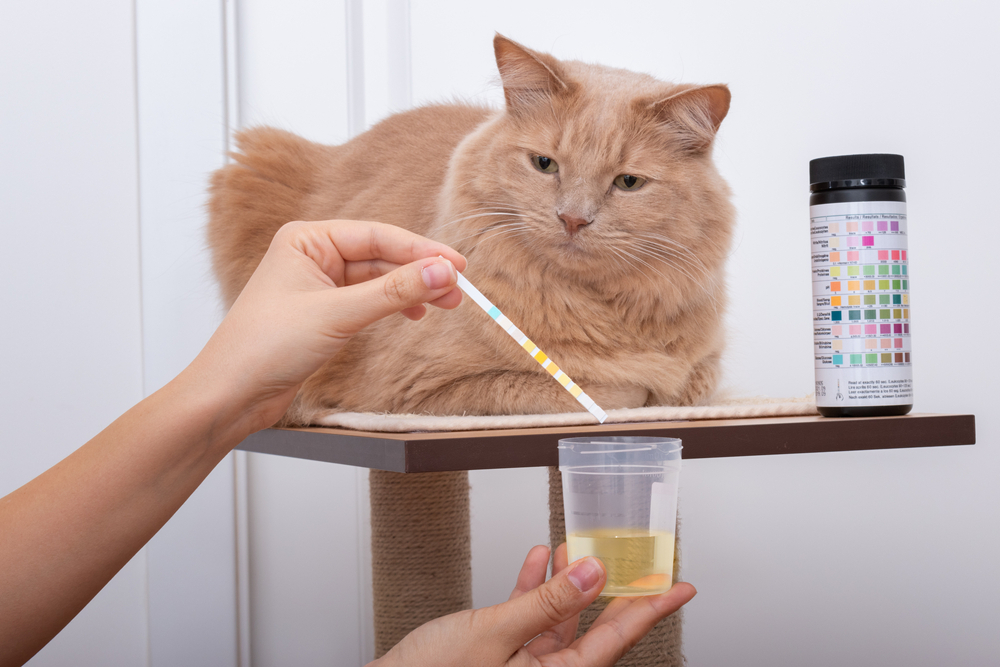
Diagnosing kidney disease requires more than a single blood test. At Town & Country Animal Hospital, our advanced diagnostics include blood chemistry panels, complete blood counts, and urinalysis to evaluate kidney function from multiple angles. Blood tests assess creatinine and blood urea nitrogen, while urinalysis evaluates urine concentration and screens for protein loss.
Digital radiology can identify kidney size and shape abnormalities, while blood pressure measurements screen for hypertension, a frequent complication. Together, these diagnostics support accurate staging and personalized treatment planning.
Ongoing Monitoring and Check-Ups
Once diagnosed, cats with kidney disease need regular follow-ups to track progression and response to treatment. Wellness visits should occur every six months for senior cats, and cats with chronic diseases or unexplained symptoms should be seen at least every three months, allowing timely adjustments to care.
Routine check-ups often include repeat blood work, blood pressure checks, and weight assessments. These visits are also an opportunity to review home care techniques and discuss your cat’s comfort and quality of life.
Long-Term Management and Care
Dietary Adjustments
Therapeutic renal diets are foundational in managing kidney disease. These diets are formulated with adjusted protein, reduced phosphorus, and added omega-3 fatty acids to reduce kidney workload while maintaining nutrition.
Transitioning to a renal diet can take time, especially if your cat is picky or nauseated. Our team offers nutritional counseling to help your cat accept palatable options that meet medical needs and personal preferences.
Medications and Treatments
Treatment focuses on supporting remaining kidney function and addressing complications. Common medications include:
- Phosphorus binders to control phosphorus levels
- Potassium supplements if levels are low
- Medications to manage blood pressure and reduce protein loss in urine
Comprehensive therapies for chronic kidney disease include nutritional support, medication, and hydration strategies that work together to slow disease progression and maintain comfort.
Home Care Tips
Many cats benefit from subcutaneous fluid therapy at home to maintain hydration and help flush toxins. While it may seem intimidating at first, most owners can learn to give fluids with guidance from their veterinary team.
Create a kidney-friendly environment by:
- Providing multiple fresh water sources and cat fountains- one in every room
- Offering small, frequent meals and consistent feeding schedules
- Using wet diets, or soaking dry kibble in water to increase water intake
- Monitoring litter box output and noting changes promptly
Monitoring for Complications
Anemia commonly develops in advanced kidney disease because damaged kidneys produce less erythropoietin, the hormone that stimulates red blood cell production. Recognizing anemia early and initiating treatment can help maintain comfort and energy. Your cat’s gums should be pink and moist. If they become pale or dry, you could be seeing anemia and dehydration and your cat should be seen urgently. Ask us at your next appointment to show you how to evaluate your cat’s gum color to monitor for anemia and hydration status.
The Role of Veterinary Support
Building a Strong Vet–Pet Owner Partnership
Successful kidney care depends on open communication between veterinary teams and pet owners. At Town & Country Animal Hospital, we prioritize education and support so families understand their cat’s condition and feel confident with home care.
Your observations at home- changes in thirst, appetite, urination, activity, or weight- help us fine-tune treatment plans and improve comfort.
When to Seek Urgent Help
While CKD usually progresses slowly, certain signs require prompt evaluation: sudden appetite loss, repeated vomiting, difficulty urinating, painful abdomen, or extreme lethargy. Our emergency services during business hours ensure urgent concerns are addressed quickly.
As an AAHA-accredited hospital, Town & Country Animal Hospital upholds the highest standards of care, providing comprehensive, evidence-based treatment throughout your cat’s kidney disease journey.
Your Cat’s Health Journey Forward
Early detection and consistent management can transform kidney disease from a daunting diagnosis into a manageable condition. With the right veterinary support and dedicated home care, many cats live comfortably for years after diagnosis.
If you’ve noticed increased thirst, weight loss, changes in litter box habits, or decreased appetite, don’t wait. Our team at Town & Country Animal Hospital is ready to provide comprehensive wellness visits and diagnostic testing. Early intervention makes all the difference, and we’re here to guide you every step of the way.
For more information or to schedule an appointment, contact Town & Country Animal Hospital.




Leave A Comment