
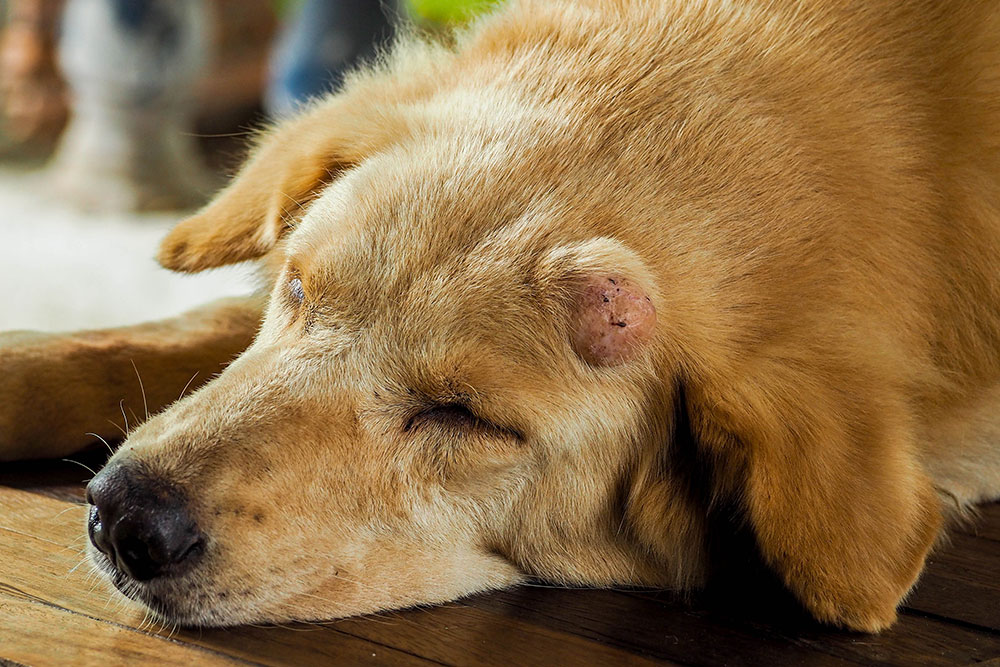
From Infection to Systemic Illness: Why Lymph Nodes Become Enlarged
When swollen lymph nodes are discovered on a pet, answers are needed fast. Are they reacting to a simple infection, or is something more serious at play? Lymph nodes serve as filters for the immune system, and they enlarge when they’re working hard to fight off infections, allergens, or abnormal cells. The challenge is that swollen nodes can look similar whether they’re responding to a bee sting or battling cancer, which is why professional evaluation is essential.
Town & Country Animal Hospital in Athens provides thorough evaluation of enlarged lymph nodes through our advanced diagnostic services. We can perform in-house cytology to examine the cells within swollen nodes, helping us distinguish between infection, inflammation, and neoplasia. As an AAHA-accredited practice, we maintain high standards for diagnostic accuracy. Contact us to have any enlarged lymph nodes properly assessed. Knowledge is power when it comes to pet health.
Noticing a Lump? What It Could Mean and What to Do Next
Many owners discover enlarged lymph nodes during an ordinary cuddle. You might feel a firm bump under the jaw, in front of the shoulder, or behind the knee and immediately have questions. The good news: swollen nodes have many possible causes, and a timely veterinary exam separates routine issues from urgent ones.
At Town & Country Animal Hospital, our AAHA-accredited team combines gentle exams with point-of-care testing so you get clear answers quickly. If you notice new swelling along your pet’s neck, armpit, groin, or leg, schedule an assessment. We often start with a physical exam and, when appropriate, in-house cytology to learn what the node is reacting to. For prevention, our wellness care includes lymph node checks and guidance on what to watch for at home.
Lymph Nodes 101: The Immune System’s Neighborhood Watch
Lymph nodes are small, bean-shaped filters that help the immune system recognize and respond to problems. They’re spread throughout the body and can swell when fighting infections or responding to other immune triggers.
Curious about where to feel them? Here are helpful guides to canine lymph node locations and cat lymph nodes. During routine petting, noticing changes early is valuable. We check lymph nodes at every wellness visit and can show you what “normal” feels like for your pet.
Why Lymph Nodes Become Enlarged
Lymphadenopathy (enlarged lymph nodes) is a symptom, not a diagnosis. Causes range from common infections and inflammation to cancer or less common immune or structural issues. A single swollen node often points to a local problem, while many enlarged nodes can suggest a body-wide process. Our job is to identify the cause and create a plan that treats both your pet’s comfort and the underlying issue.
Common, Treatable Causes: Infections and Inflammation
Bacterial, viral, fungal, or parasitic infections can enlarge nearby lymph nodes. Common triggers include:
- Dental disease
- Ear infections
- Skin wounds
- Deeper tissue infections
Systemic infections may enlarge multiple nodes at once. The lymph nodes act as filters, trapping and fighting off infectious agents, which causes them to swell as immune cells multiply to combat the threat. In many cases, once the underlying infection is treated, the lymph nodes gradually return to normal size over days to weeks. Some infections cause dramatic swelling that develops quickly, while others create slower, more subtle enlargement that owners notice during routine petting or grooming.
In the Southeast, tick-borne and waterborne diseases are on our radar. In dogs, Lyme disease can cause node swelling with fever, lethargy, and shifting-leg lameness. We also watch for leptospirosis, which can affect multiple organs. Certain fungal diseases may cause persistent lymph node enlargement, especially with respiratory signs or skin lesions. These regional infections often require specific diagnostic testing to identify, as symptoms can overlap with other conditions. Early detection improves treatment success significantly, especially for diseases like leptospirosis that can cause kidney and liver damage if left untreated. Geographic location and your pet’s lifestyle (such as hiking in wooded areas or exposure to standing water) help us determine which infections are most likely.
The good news: many infectious and inflammatory causes respond well to targeted therapy. Our in-house lab, digital radiology, and ultrasound help us find the source, treat effectively, and monitor improvement. Regular tick prevention is critical for preventing infections like Lyme disease, and our team can help you choose what’s right for your pet.
When Cancer Is the Cause: Understanding Lymphoma and Other Tumors
Cancer is a serious but manageable reason for swollen lymph nodes. Lymphoma is the most common cancer affecting the lymphatic system in dogs and cats and often shows up as firm, painless enlargement of multiple nodes. Feline lymphoma often involves the gastrointestinal tract or chest, though peripheral node swelling can occur. Other types of cancer in pets can spread to lymph nodes too.
Lymphoma characteristics include:
- Most common in middle-aged to older pets
- Higher predisposition in certain breeds
- Variable aggressiveness depending on the specific type
- Diagnosis through fine needle aspiration or biopsy
Hearing “cancer” is frightening, but many pets enjoy meaningful time and good comfort with timely diagnosis and appropriate therapy. With modern treatment protocols, many dogs with lymphoma achieve remission and maintain good quality of life for months or even years. Cats with certain forms of lymphoma, particularly those related to the gastrointestinal tract, can also respond well to treatment. The key is early detection. When lymphoma is caught before your pet becomes severely ill, treatment options are more effective and side effects are typically manageable. We focus on quality of life throughout treatment, adjusting protocols when needed to keep your pet comfortable while fighting the disease.
Other, Less Common Causes
Allergies, drug reactions, and autoimmune conditions can also cause lymphadenopathy. Structural problems like lymphatic obstruction or congenital abnormalities may lead to persistent swelling, and true lymph edema can look similar. These cases often require broader diagnostics.
Less common causes include:
- Autoimmune conditions where the immune system attacks its own tissues
- Drug reactions causing temporary lymph node swelling
- Lymphatic obstruction from structural problems
- Congenital abnormalities affecting the lymphatic system
Autoimmune conditions occur when the body’s immune system mistakenly attacks its own tissues, leading to chronic inflammation that can affect lymph nodes among other organs. Drug reactions, while uncommon, may cause temporary lymph node swelling that resolves once the medication is discontinued. In cases where initial testing doesn’t provide clear answers, we may recommend advanced imaging, specialist consultation, or referral for more specialized diagnostics. We use history, exam findings, and targeted tests with our advanced diagnostic services or specialty partners to ensure we identify the underlying cause and develop an effective treatment strategy.
Treatment Paths and What to Expect
There’s no one-size-fits-all plan. Care depends entirely on the cause.
Infections and inflammation
Targeted medications and supportive care usually work well. If dental disease is involved, our dental care team addresses the source so lymph nodes can return to normal. Tick-borne disease protocols combine the right antibiotics with prevention, which we include in wellness plans.
Lymphoma and other cancers
Options may include multi-agent or single-agent chemotherapy, steroids, surgery for select masses or diagnostics, and palliative care based on diagnosis and family goals. Our surgery service provides individualized anesthesia and pain control, and we coordinate oncology-focused plans within general and internal medicine.
Our aim is the longest, most comfortable, high-quality life. If treatment isn’t pursued, we focus on comfort, nutrition, and gentle symptom relief, and compassionate end of life care– respecting each family’s preferences.
Ongoing Monitoring: Keeping Progress on Track
Follow-ups matter. Rechecks let us feel lymph nodes, measure changes, and review overall health. Bloodwork during treatment monitors for side effects. We can teach you how to gently check the mandibular and popliteal nodes at home so subtle changes are caught early.
If your pet seems uncomfortable, appetite dips, or new lumps appear, contact us. For urgent changes during business hours, call us right away for direction on emergency care.
Our Promise as Your Athens AAHA-Accredited Team
As an AAHA-accredited hospital, Town & Country Animal Hospital follows rigorous standards for safety and diagnostic accuracy. With in-house cytology, lab testing, digital radiography, and ultrasound, we keep care efficient and clear. You’ll leave with a plan you understand and a partner you can trust.
When lymph nodes are enlarged, you deserve quick answers. Our team provides compassionate guidance from first exam to follow-up, with your pet’s comfort and wellbeing at the center.
FAQs: Quick Answers to Common Questions
What does a “normal” lymph node feel like?
Small, smooth, and often hard to find. Enlarged nodes feel more prominent- sometimes firm- and are easier to feel under the jaw or behind the knees.
Should I worry if only one node is enlarged?
A single swollen node often points to a local issue, like dental disease or a skin infection. It still deserves an exam to determine cause and treatment.
Are enlarged nodes painful?
Reactive or infected nodes may be tender; lymphoma-related nodes are often firm and not painful. Pain alone can’t determine cause- testing helps.
How fast should I schedule an exam?
If swelling is new, growing, or paired with fever, lethargy, poor appetite, or other symptoms, please schedule promptly. Same-day evaluations are available during business hours.
Ready for Clarity? Let’s Get Your Pet Checked
The key takeaway is simple. Enlarged lymph nodes are a call to action, and timely evaluation brings clarity, options, and peace of mind. Many causes are treatable, and even serious diagnoses can be managed with individualized, compassionate care.
If you’ve noticed a new lump or swelling, reach out today. Explore our advanced diagnostic services, schedule preventive wellness care, or visit our emergency page for urgent concerns during business hours. Our Athens team is here to help. Contact us to schedule your pet’s lymph node evaluation and get dependable answers fast.



Leave A Comment