
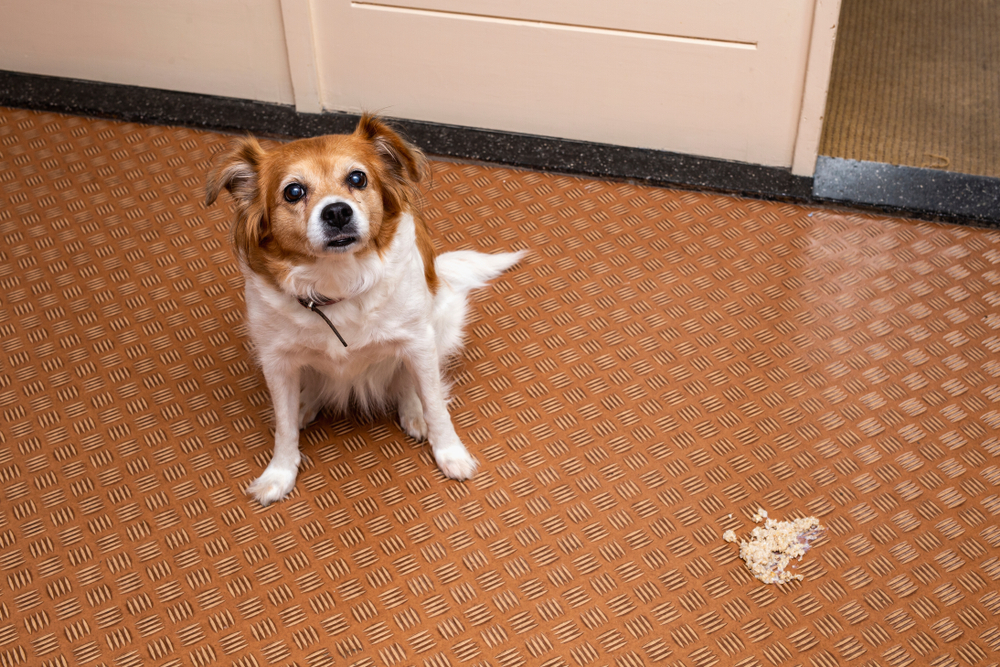
Why Chronic Vomiting Happens and How Veterinarians Track Down the Cause
There’s nothing quite like the sound of a pet about to vomit to make you leap off the couch at 2 AM. And when it happens once, you clean it up and move on. But when vomiting becomes a regular occurrence- week after week, sometimes multiple times a day- it stops being a minor inconvenience and starts being genuinely worrying.
If you’re reading this, you’re probably exhausted from constant cleaning, anxious about whether something serious is going on, and frustrated that you can’t figure out what’s making your pet sick. You’re not alone, and your concerns are completely valid. Chronic vomiting always deserves investigation because it’s your pet’s way of telling you something isn’t right.
The good news? There’s almost always an answer. Finding it requires a systematic approach that considers diet, organ function, GI health, and sometimes factors you might not expect- like stress or eating habits. It’s not always a quick process, but it’s worth pursuing to give your pet lasting relief.
At Town & Country Animal Hospital in Athens, we guide pet owners through the investigation of chronic vomiting with patience, thoroughness, and a clear plan. Our AAHA-accredited practice offers advanced diagnostics including ultrasound and can coordinate GI biopsies when needed. From food trials to comprehensive testing, we work methodically to uncover what’s really going on. Contact us to start the conversation- we’re here to help you and your pet find answers.
When Does Vomiting Signal Something More Serious?
Let’s start by putting your mind at ease about one thing: not every vomiting episode means something is terribly wrong. Cats occasionally bring up hairballs, and dogs sometimes eat grass or get into the trash and pay the price. A single episode followed by a return to normal behavior usually isn’t cause for alarm.
Chronic vomiting is different. If your pet is vomiting multiple times per week, or if episodes have continued for several weeks, it’s time for a full veterinary workup.
Watch for these red flags that warrant prompt evaluation:
- Unexplained weight loss
- Lethargy or noticeably reduced energy
- Decreased appetite or refusing food entirely
- Increased thirst or more frequent urination
- Diarrhea occurring alongside vomiting
- Blood in the vomit or a dark, coffee-ground appearance
- Abdominal pain, sensitivity when touched, or a hunched posture
In older pets especially, subtle changes can signal developing senior pet health problems that benefit from early intervention. Regular wellness care helps establish baselines so we can catch changes before they become serious.
What Causes Chronic Vomiting in Dogs and Cats?
When we investigate chronic vomiting, we organize potential causes into major categories and test strategically to confirm or rule out each one. Here’s what we’re considering:
Could Food Be the Culprit?
This is often where we start, because food-related causes are common and very treatable. Pets can develop allergies or intolerances to proteins they’ve eaten for years- sometimes seemingly out of nowhere. Food allergies involve an immune overreaction to specific proteins, while food intolerances cause digestive upset without immune involvement. Both can lead to chronic vomiting.
Dietary indiscretion also plays a role. Regular table scraps, rotating through different treats, or occasional trash raids can irritate the GI tract over time, even if each individual incident seems minor. Thoughtful, veterinarian-guided choices around choosing pet food and strict elimination trials help us identify whether diet is the issue.
Is an Organ Problem Causing the Vomiting?
Sometimes the stomach and intestines are perfectly healthy, but vomiting is happening because of disease elsewhere in the body. Several organ-related conditions commonly cause chronic vomiting:
- Chronic kidney disease is especially common in cats and often causes daily vomiting along with weight loss and increased thirst
- Liver problems, including gall bladder disease and liver disease, can disrupt normal digestion
- Feline hyperthyroidism frequently presents with weight loss despite a good appetite, along with intermittent vomiting
- Pancreatitis causes vomiting and abdominal discomfort, often triggered by fatty meals
Our advanced diagnostics include comprehensive blood panels that help us quickly identify these systemic causes.
What If the GI Tract Itself Is the Problem?
Sometimes the digestive system itself is diseased or disrupted. Primary GI conditions we investigate include:
- Inflammatory bowel disease causes chronic inflammation of the gut lining, leading to vomiting, diarrhea, and weight loss
- GI obstructions from swallowed objects can cause symptoms that come and go, especially with partial blockages
- Gastric ulcers may develop from certain medications (particularly NSAIDs) or toxin exposure
- Megaesophagus causes regurgitation rather than true vomiting- an important distinction we’ll help you understand
- Bilious vomiting syndrome typically appears as yellow bile vomiting in the early morning when the stomach has been empty too long
- Pyloric stenosis causes slowed movement of food out of the stomach
- GI cancers, including lymphoma, become more likely in older pets and can mimic other conditions initially
Could Toxins or Foreign Materials Be Involved?
Curious pets sometimes eat things they shouldn’t, and the consequences can range from mild GI upset to life-threatening emergencies. Common culprits include lilies (especially dangerous for cats), sago palms, azaleas, antifreeze, rodenticides, and human medications.
If you suspect your pet has ingested something toxic, act quickly. Bring any packaging or plant samples with you, and consult poison control while you’re on your way. Keep a list of toxic plants handy and make sure they’re out of your pet’s reach.
If your pet seems acutely ill after a possible ingestion, check our emergency page for guidance on next steps.
Can Stress or Eating Habits Cause Chronic Vomiting?
Absolutely- and these causes are often overlooked.
The “Scarf and Barf” Phenomenon
Some pets inhale their food so fast it comes right back up, looking almost completely undigested. This is especially common in multi-pet households where there’s competition for food, or in pets with a history of food insecurity (like former strays or shelter animals).
Solutions that often help:
- Interactive feeders and puzzle toys that slow eating
- Slow-feed bowls with ridges or obstacles
- Smaller, more frequent meals throughout the day
- Using a muffin tin or spreading food on a flat surface
- Feeding pets in separate rooms to reduce competition
Stress-Related Vomiting
Pets- especially cats- can vomit from stress and anxiety triggered by changes in routine, new family members (human or animal), construction noise, travel, or household tension. Cats are particularly prone to feline stress-related GI upset.
Signs that stress might be contributing include vomiting that coincides with specific events or changes, other anxiety behaviors like hiding or inappropriate elimination, and improvement when stressors are removed. Addressing stress can sometimes be the missing piece when vomiting hasn’t fully responded to other treatments.
How Do Veterinarians Diagnose Chronic Vomiting?
A stepwise approach helps us avoid missed causes and unnecessary treatments. Here’s what to expect:
The First Visit: History, Exam, and Baseline Testing
We start with a thorough physical exam and a detailed conversation about your pet’s symptoms. Timing matters- when does the vomiting happen? What does it look like? Has anything changed in diet, treats, medications, or household routine?
Baseline diagnostics typically include:
- Bloodwork to evaluate organ function, check for infection, and assess hydration
- Urinalysis to evaluate kidney health and look for signs of infection
- Fecal testing to rule out parasites
- Ultrasound to visualize organs and GI structures in detail
If you can capture video of your pet vomiting, bring it along- it helps us distinguish true vomiting from regurgitation, which have very different causes. Our in-house lab and ultrasound capabilities provide same-day answers, and digital radiology helps us spot obstructions or masses.
What Is an Elimination Diet Trial and How Does It Work?
When initial tests don’t fully explain the vomiting, a structured diet trial is often the next step. This is one of the most powerful diagnostic tools we have for food-related GI disease.
How Food Trials Work
An elimination diet trial involves feeding your pet a single, carefully chosen diet for a set period. There are two main approaches:
- Novel protein diets use a protein and carbohydrate source your pet has never eaten before
- Hydrolyzed diets contain proteins broken down into pieces small enough that the immune system doesn’t recognize them
For GI symptoms like vomiting, we typically look for improvement within 3 to 4 weeks. (Skin-related food allergies may take 8 to 12 weeks.)
Here’s the crucial part: strict compliance is essential. That means no treats outside the trial diet, no table scraps, no flavored medications, no sneaking food from other pets’ bowls, and no well-meaning family members slipping extras. Even small exposures can invalidate the trial.
Over-the-counter “limited ingredient” or “hypoallergenic” foods aren’t reliable for diagnostic trials because cross-contamination during manufacturing is common. We use veterinary therapeutic diets specifically designed for this purpose.
Our nutritional counseling services help you choose the right diet and set your household up for success- especially if you have multiple pets or snack-sharing kids.
What Do the Results Tell Us?
If vomiting improves on the elimination diet and returns when you reintroduce previous foods, we’ve confirmed a food sensitivity. Long-term management becomes about maintaining dietary consistency, defining safe treats, and establishing household rules.
If vomiting persists despite perfect compliance with the trial, that’s valuable information too- it tells us to shift focus toward primary GI disease, systemic illness, or structural problems. The investigation continues.
When Are Biopsies Needed?
Sometimes imaging and diet trials point toward an intestinal problem that needs direct visualization and tissue sampling to diagnose accurately.
What Is Endoscopy?
Endoscopy is a minimally invasive procedure that uses a flexible camera to examine the esophagus, stomach, and upper small intestine. While there, we can collect small tissue samples for microscopic evaluation.
Endoscopy is performed under anesthesia, and most pets go home the same day with minimal recovery time. We recommend it when vomiting persists after first-line testing and diet trials, when imaging suggests mucosal disease, or when we’re concerned about conditions like inflammatory bowel disease or cancer.
If your pet needs endoscopy, we can perform this right in our hospital- no need to travel to specialists.
When Is Exploratory Surgery Necessary?
Sometimes exploratory surgery (called a laparotomy) is the best way to get answers. This approach allows us to directly visualize abdominal organs, check for masses or obstructions, and collect full-thickness GI biopsies from multiple locations.
We recommend surgery when imaging suggests abnormalities that need hands-on evaluation, when we need tissue samples from areas endoscopy can’t reach, or when full-thickness biopsies will provide more information than the surface samples endoscopy collects.
Our surgery services include access to board-certified mobile surgeons for complex procedures, and we can coordinate referrals when specialized surgical care is needed.
What Do Biopsies Actually Reveal?
Biopsies help us distinguish between IBD, lymphoma, other cancers, infections, and different inflammatory patterns. This matters because treatments differ significantly depending on the diagnosis.
Endoscopic biopsies sample only the surface lining of the GI tract, while surgical biopsies collect deeper tissue that may reveal problems endoscopy would miss. Accurate diagnosis through biopsy enables targeted treatment rather than guessing- which means better outcomes and less trial-and-error for your pet.
How Is Chronic Vomiting Treated?
Once we understand the “why,” we build a treatment plan tailored to your pet’s specific situation.
Managing Food-Responsive Vomiting
If we’ve confirmed food sensitivity, diet becomes the cornerstone of treatment. This means maintaining strict ingredient avoidance long-term, establishing clear household rules about treats and table food, and creating a plan for navigating holidays, travel, and multi-pet feeding situations.
Treating Inflammatory Bowel Disease
IBD typically requires a combination approach: anti-inflammatory or immune-modulating medications, diet adjustments, probiotics to support gut health, and sometimes targeted antibiotics when specific bacterial overgrowth is present. Treatment is highly individualized because pets respond differently to various combinations. With careful management and regular monitoring, most pets with IBD achieve good control and comfortable daily life.
Addressing Systemic and Metabolic Causes
When organ disease is driving the vomiting, treatment focuses on the underlying condition. Kidney disease often benefits from specialized diets, fluid support, and medications to manage symptoms. Cats with hyperthyroidism may need daily medication, dietary therapy, or definitive treatments like radioactive iodine. Pancreatitis management emphasizes careful nutrition, pain control, and supportive care.
As we stabilize the root cause, vomiting typically improves significantly. Our senior pet care services help keep chronic disease management plans current and effective over time.
How Can You Help Your Pet During the Diagnostic Process?
Your observations and consistency are essential partners in this investigation.
Practical ways to support the process:
- Keep a symptom diary noting dates, times, what the vomit looked like, and any potential triggers (foods, treats, stressors, medications)
- Take short videos of vomiting episodes- this helps us distinguish vomiting from regurgitation
- Monitor hydration and encourage fresh water; if your pet can’t keep water down, contact us right away
- Follow medication schedules and diet plans precisely
- Pet-proof your home by securing trash, medications, and toxic plants
- During diet trials, keep foods strictly separated in multi-pet households
Don’t hesitate to reach out between scheduled visits if something changes or you have questions. Contact us any time- keeping communication open helps us adjust the plan when needed.
Frequently Asked Questions About Chronic Vomiting
How do I know if vomiting is an emergency?
Seek immediate care if your pet vomits blood, can’t keep water down, appears weak or painful, has a distended abdomen, or vomits after possible toxin ingestion. When in doubt, call us.
What’s the difference between regurgitation and vomiting?
Vomiting involves visible abdominal contractions and brings up partially digested material. Regurgitation is passive- food comes back up from the esophagus without effort, often looking undigested. The distinction helps us identify very different underlying causes.
Can food allergies develop suddenly after years on the same diet?
Yes, absolutely. Pets can develop sensitivities to proteins they’ve eaten without problems for years. This is why we don’t rule out food-related causes just because the diet hasn’t changed.
How soon should I see improvement on a diet trial?
For GI symptoms like vomiting, we typically expect to see improvement within 3 to 4 weeks if food is the cause. Skin-related food allergies may take 8 to 12 weeks to show improvement.
Will my pet definitely need a biopsy?
Not necessarily. Many cases of chronic vomiting resolve with diet changes or medical management alone. Biopsies are reserved for cases where first-line approaches haven’t provided answers, or where tissue sampling will meaningfully change the treatment plan.
Finding Answers Through Methodical, Compassionate Care
Chronic vomiting is frustrating and worrying, but here’s what we want you to remember: there’s almost always an answer, and with systematic investigation, we can find it together.
The path forward involves thorough examination, baseline testing, elimination diet trials when appropriate, and advanced diagnostics if needed. This methodical approach finds the cause and leads to treatment that actually works- so your pet can finally feel better and you can stop worrying every time you hear that familiar sound.
Our AAHA-accredited team at Town & Country Animal Hospital brings patience, clear communication, and genuine compassion to every case. We know how hard it is to watch your pet struggle, and we’re committed to getting answers.
If your pet is vomiting repeatedly, let’s start the conversation. Explore our advanced diagnostics and ultrasound capabilities, meet our caring team, and contact us to schedule a consultation. We’re here to help restore your pet’s comfort and give you both peace of mind.






Leave A Comment