Looking Deeper: The Real Value of Dental X-Rays for Pets
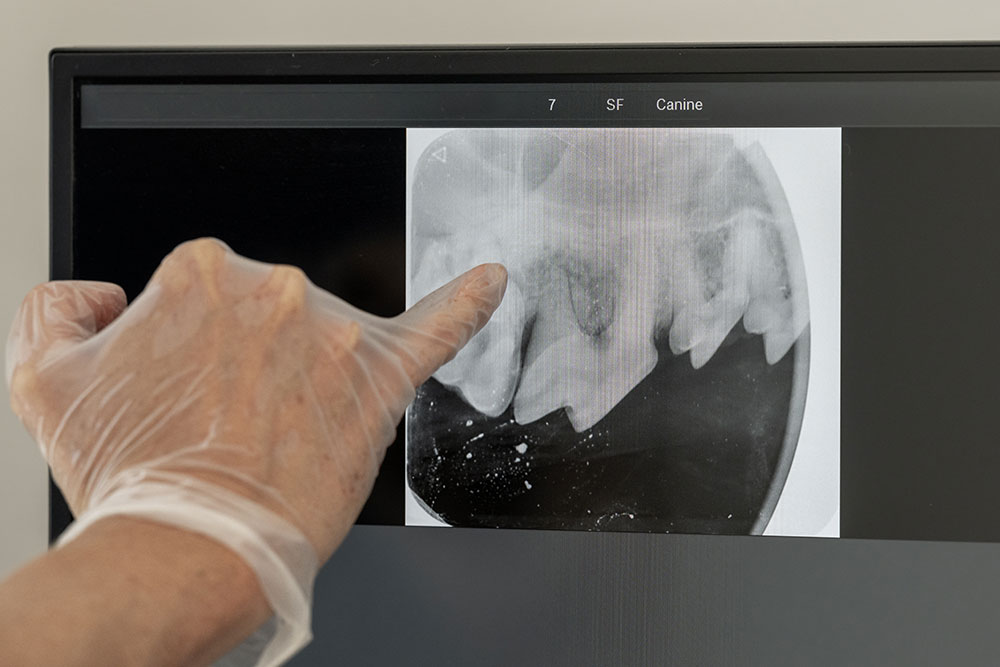
You watch your pet closely, so it’s natural to notice when they hesitate to chew or act strangely around their mouth. Even so, many painful dental issues stay hidden- because more than half of all disease develops below the gumline where you cannot see it. Dental X-rays reveal what a regular oral exam cannot, giving veterinarians a complete look at the roots, bone structure, and surrounding tissues. With the right imaging, problems like infection, bone loss, and damaged roots are found early and treated before they turn into emergencies.
At Town & Country Animal Hospital, we take a proactive approach by including full-mouth digital imaging during professional cleanings. As part of our dedicated wellness care and our comprehensive advanced diagnostics, dental radiographs help us detect changes long before they cause discomfort, infection, or irreversible damage.
How Imaging Transforms Routine Dental Care
To the naked eye, many mouths look perfectly normal. Yet plaque and bacteria can quietly trigger inflammation and tissue destruction beneath the gums. Without deeper evaluation, pets may appear to have healthy teeth even when infection or structural damage is progressing out of sight.
Dental radiographs give a complete assessment of each tooth and its supporting structures. They reveal fractured roots, abscesses, cystic changes, and early bone loss that surface cleanings or visual exams alone cannot detect. They also help us identify problems that don’t cause obvious symptoms until disease is advanced and more difficult to treat.
Some owners consider anesthesia-free dentals because they seem easier or safer, but these procedures only address what you can see. Pets cannot comfortably tolerate the precise positioning needed for high-quality imaging while awake, which means vital diagnostic information is lost. With anesthesia, we can clean thoroughly, evaluate safely, and gather accurate images without stress.
Our dental care services include complete imaging under anesthesia along with a full oral examination to ensure nothing is overlooked.
What Dental X-Rays Help Us See
Below-the-gumline imaging fills in the many gaps that visual exams leave behind. Radiographs allow veterinarians to evaluate:
- Root length and shape
- Bone height and density
- The periodontal ligament, which secures each tooth
- Evidence of infection or abscess formation
- Retained or unerupted teeth
In some cases, infections can extend into areas like the sinuses or eye socket, especially in larger breeds with deep tooth roots. These issues often show little on the surface but pose significant health risks. Routine oral imaging during wellness visits helps us catch these problems early and design preventive plans that protect long-term comfort.
Hidden Oral Problems Commonly Found with X-Rays
Many pets with serious dental disease continue to eat normally, which can mislead owners into thinking everything is fine. Radiographs often change that picture entirely.
Early and Advanced Periodontal Disease
Periodontal disease doesn’t start with loose teeth. It begins as subtle inflammation that gradually destroys bone, ligaments, and gum tissue. Radiographs detect this bone loss long before it becomes outwardly noticeable.
Severe infection can also weaken the jaw, leading to mandibular fractures in smaller dogs. Because bacteria can enter the bloodstream, managing periodontal disease also protects organs such as the liver, heart, and kidneys.
Our diagnostics and dental care services work together to identify disease early and guide timely treatment.
Bite Irregularities and Tooth Positioning
Many young pets and certain breeds develop malocclusions, which can lead to trauma inside the mouth. X-rays show whether a tooth is hitting soft tissue, growing at an improper angle, or causing pressure on neighboring teeth.
Imaging also uncovers developmental abnormalities like impacted teeth, which can only be confirmed through radiographs. Our dental care team evaluates pets of all ages, paying special attention to breed-related tendencies.
Painful Tooth Resorption in Cats
Feline tooth resorption often hides under the gumline while the visible crown appears normal. These lesions progressively dissolve the tooth and create intense pain.
Because this condition is largely invisible without imaging, X-rays are essential for accurate diagnosis and classification so appropriate treatment can be provided.
Cracks and Fractures Below the Surface
Chewing hard toys or bones can create fractures that expose tooth pulp or weaken the root. Some cracks are nearly impossible to see without radiographs.
Full-mouth imaging helps us evaluate fractured teeth and determine whether extraction or other intervention is needed. Pets with oral sensitivity, drooling, or reluctance to chew on one side should be examined promptly.
Root Abscesses and Deep Infection
Tooth root abscesses form when bacteria reach the root, often after a fracture or trauma. Swelling, pain, or drooling may occur, but the true infection site is deep within the bone.
Radiographs pinpoint these abscesses so treatment can begin quickly. Our diagnostic services allow us to identify these issues before they lead to more complicated infections.
Oral Masses and Bone Changes
If your pet has visible growths or suspicious oral changes, X-rays help determine whether oral tumors have affected nearby bone or displaced teeth. These findings shape surgical planning and guide follow-up care.
When surgery is needed, our surgery team uses imaging to map out each step and collaborate with specialists when appropriate.
Cysts Around Unerupted Teeth
Dentigerous cysts tend to form silently around unerupted teeth and may go undetected for years. Some breeds are more prone to this condition, but any pet with a missing tooth should be evaluated.
These cysts can grow large enough to damage bone or shift nearby teeth. Our diagnostic tools help identify cysts early so treatment can prevent long-term complications.

Why Surface Cleanings Alone Aren’t Enough
A mouth can look clean after a simple scaling, but without imaging, critical disease remains hidden. Anesthesia-free dentals polish what’s visible without addressing the deeper issues that drive discomfort and infection.
True oral health requires safe anesthesia so we can evaluate every tooth thoroughly. Our cleanings include imaging, subgingival scaling, and complete examination to ensure that the parts you cannot see are just as healthy as the ones you can.
How Radiographs Shape Treatment Plans
Dental imaging supports every stage of decision-making. Radiographs show whether a tooth can be saved, which treatment is recommended, and how healing is progressing after a procedure.
We follow AAHA dental guidelines, which emphasize full-mouth radiographs as part of standard care. Through our dental care services and convenient appointment scheduling, we make high-quality dental care accessible and transparent for every family.
Answering Common Questions About Dental X-Rays
Are dental radiographs safe?
Yes. The radiation exposure is extremely low, especially with modern digital equipment.
Why does my pet need anesthesia?
Pets cannot stay still for the precise positioning dental imaging requires. Anesthesia protects their safety and allows clear, reliable results.
How often should X-rays be taken?
Most pets benefit from imaging once a year, usually during a professional dental cleaning. Pets with chronic issues may need more frequent monitoring.
What happens if you find a problem?
We review the images with you, explain what we see, and recommend treatment. You will understand the condition clearly before any decisions are made.
If you still have questions, our team is always available. You can contact our team any time to discuss dental concerns or schedule an evaluation.
A Healthier Future Starts with a Complete View
A bright smile is nice, but a comfortable mouth and healthy roots matter even more. Dental X-rays offer the clarity needed to prevent pain and catch disease before it becomes severe.
At Town & Country Animal Hospital, we value thoroughness and compassion. From your pet’s first visit to their follow-up care, we focus on comfort, safety, and long-term wellness. Contact us when you’re ready to schedule your pet’s next dental appointment.



Leave A Comment