Proactive Health Screening for Dogs and Cats Over Seven
The shift from adult to senior happens gradually enough that it is easy to miss the point where annual wellness visits need to change along with it. A dog who turned eight this year has different screening priorities than the same dog at three, and a cat crossing into her double digits is statistically far more likely to be carrying undetected thyroid disease or elevated blood pressure than she was at five. These are not dramatic conditions when caught early. They become dramatic when they go undetected long enough to affect the kidneys, the heart, or vision.
At Town and Country Animal Hospital in Athens, AL, we are an AAHA-accredited practice that takes the relationship between you and your veterinary team seriously. Our senior pet care services are built around the screenings that actually matter at this life stage: bloodwork and diagnostic imaging that catches organ changes before symptoms arrive. Contact us to schedule a senior wellness visit that matches where your pet actually is right now.
Why a Yearly Exam Isn’t Always Enough for an Older Pet
Most people know that annual exams matter. What’s less obvious is that once a dog or cat crosses into senior status, a standard once-a-year checkup often misses the window for early intervention. Age-related conditions like kidney disease, hypertension, and thyroid imbalance can progress significantly between visits. By the time clinical signs are obvious, significant damage may already be done.
Preventive testing in senior pets is specifically designed to catch those changes before they become emergencies. A normal physical exam tells us what we can see and feel. Lab work, blood pressure readings, and imaging tell us what’s happening inside, often months before any outward sign appears.
For most dogs and cats, semi-annual visits with targeted diagnostics are recommended once they reach senior age. This is also why tracking results over time matters just as much as any single test. A value that falls within the normal range but has shifted noticeably from a prior baseline can be an early flag, even when it looks acceptable in isolation.
Our senior wellness visits are structured to account for this. Senior pets don’t get the same one-size-fits-all exam as a healthy two-year-old.
What a Senior Screening Typically Includes
Recommendations are always individualized, but a comprehensive senior screening often covers:
- Complete blood count (CBC) and chemistry panel
- Thyroid testing (T4)
- Urinalysis
- Blood pressure measurement
- Heartworm and tick-borne disease testing
- Chest and abdominal imaging when indicated
These senior pet care recommendations reflect current evidence on what’s most likely to catch age-related conditions early. Your pet’s specific history, breed, and prior results will guide exactly which tests are prioritized at each visit.
What Blood Work Reveals Before You Notice a Problem
Blood panels are one of the most powerful tools in senior screening because they reflect organ function, immune status, and hormonal health simultaneously. The value of running them consistently over time is that we build a picture of what is normal for your individual pet, which makes deviations far easier to spot.
| Test | What It Measures | What It Can Detect |
| CBC (Complete Blood Count) | Red and white blood cells, platelets | Anemia, infection, immune disorders, clotting issues |
| Chemistry Panel | Organ enzymes, glucose, proteins, electrolytes | Liver disease, kidney disease, diabetes, adrenal disease |
| Thyroid (T4) | Circulating thyroid hormone | Hypothyroidism (dogs), hyperthyroidism (cats) |
| Heartworm/Tick Testing | Parasite antigens and antibodies | Heartworm disease, Lyme, Ehrlichia, Anaplasmosis |
| Urinalysis | Urine concentration, cells, proteins | Kidney function, UTIs, diabetes, bladder disease |
Routine blood panels run as part of a senior wellness visit provide the baseline needed to make these comparisons year over year. Our in-house laboratory returns most results the same day, which means we can discuss findings and next steps during the same appointment rather than waiting days for answers.
Is Your Pet’s Blood Pressure Too High?
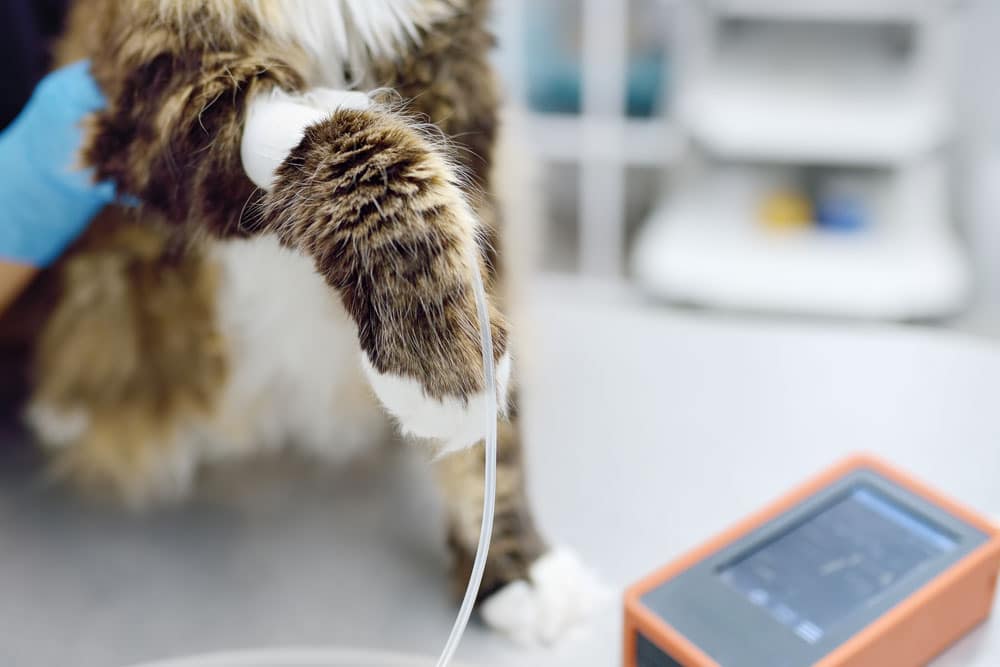
Hypertension (high blood pressure) is one of the most frequently missed conditions in older pets, largely because animals don’t show the obvious symptoms people associate with it. By the time something is visibly wrong, the damage has often been accumulating for a long time.
Uncontrolled high blood pressure causes harm to multiple organ systems. The kidneys are especially vulnerable, and elevated pressure accelerates damage in pets who already have chronic kidney disease. The eyes are another concern: severe or prolonged hypertension can cause retinal detachment, which may result in sudden, permanent vision loss. Cardiovascular changes and neurological effects are also possible.
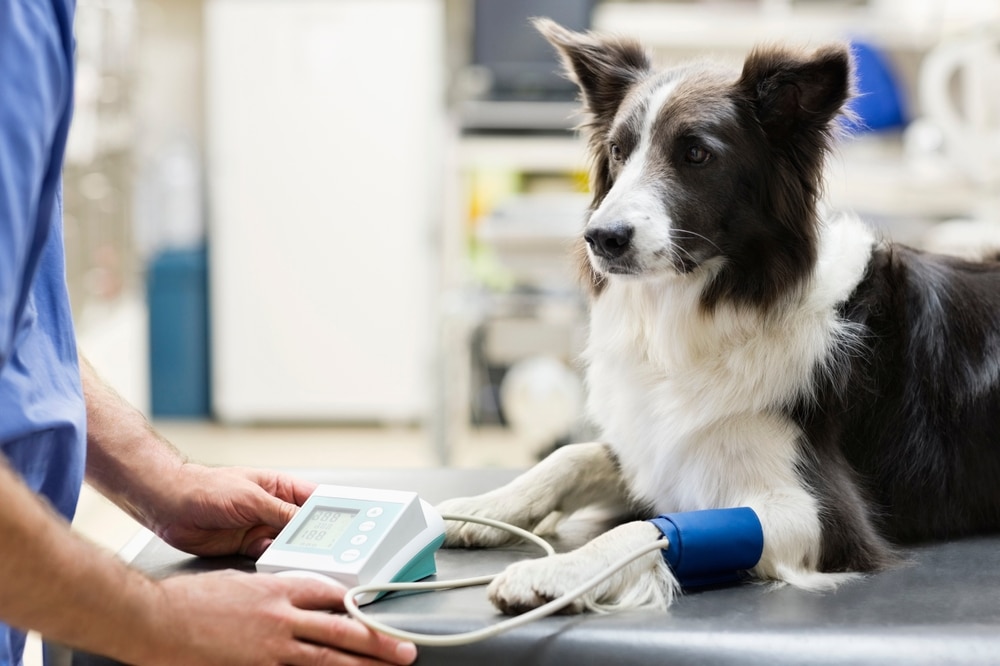
Measuring blood pressure in pets is non-invasive and takes just a few minutes. It is a simple addition to a wellness visit that can make an enormous difference in outcomes when hypertension is present. Once identified, it is typically managed with oral medication and monitored through regular rechecks.
What a Urine Sample Can Tell You
Bloodwork and urinalysis are often compared to looking at the same building from two different angles. Each test provides information the other misses.
A urine sample evaluates kidney concentrating ability, which is one of the earliest indicators of kidney disease before blood values change. It also screens for protein in the urine (a sign of kidney damage or inflammation), glucose (relevant for diabetes), blood, bacteria, and the presence of crystals or abnormal cells. In senior cats especially, combining bloodwork with urinalysis significantly improves the ability to catch kidney disease in its earliest and most manageable stages. Our in-house laboratory can process urine samples quickly, so this information is available alongside your pet’s blood results at the same appointment.
Screening for Heart Disease in Senior Pets
Heart disease is common in aging dogs and cats, and many pets show no obvious clinical signs until the disease has advanced. Screening before symptoms develop gives us time to monitor and plan rather than respond to a crisis.
| Screening Tool | What It Evaluates | Notes |
| Chest X-ray | Heart size, lung fluid, vessel changes | Quick, non-invasive, first-line tool |
| Echocardiogram | Heart structure and function, valve and wall motion | Most detailed cardiac view |
| NT-proBNP Test | Cardiac biomarker released under stress | Blood test; helps flag when imaging is warranted |
| ECG/EKG | Heart rhythm and electrical activity | Used when arrhythmia is suspected |
For dogs with heart disease diagnosis picked up at the preclinical stage, treatment started before symptoms appear has been shown to significantly delay progression to heart failure. Our ultrasound capabilities allow abdominal and cardiac evaluation in-house.
When X-Rays and Ultrasound Are Part of Senior Care
Imaging allows us to evaluate organs and structures that physical examination simply cannot reach. Both modalities have distinct strengths and are often used together.
Radiography provides an excellent overview of the chest (heart size, lung fields, rib cage), abdomen (organ shape, size, and position), and skeletal changes (arthritis, bone tumors). It is often the first imaging step when respiratory changes, a heart murmur, or suspected masses are identified. It’s also critical for dental care, since most dental disease lies beneath the gum line. We use dental radiographs in every one of our comprehensive dental procedures.
Ultrasound goes deeper, providing real-time images of soft tissue structure, blood flow, organ texture, and wall thickness. It is particularly valuable for evaluating the liver, spleen, kidneys, adrenal glands, bladder, and heart. It can also guide needle sampling for biopsies or urine collection without the need for sedation in most patients.
Our advanced diagnostics include both digital radiography and ultrasound, meaning these evaluations can be completed in-house rather than requiring outside referral.
Common Conditions Senior Screening Helps Catch Early
Thyroid Disease in Dogs: Hypothyroidism
Hypothyroidism occurs when the thyroid gland underproduces thyroid hormone, slowing metabolism throughout the body. It is one of the most common hormonal conditions in middle-aged and older dogs, and its signs are easy to attribute to simple ageing: weight gain despite a normal diet, low energy, cold intolerance, a dull coat, and sometimes skin changes. A single T4 test included in routine bloodwork is often all it takes to identify it, and once confirmed, it is managed with a daily oral supplement that most dogs tolerate very well.
Thyroid Disease in Cats: Hyperthyroidism
In cats, the opposite problem is more common. Feline hyperthyroidism involves excess thyroid hormone production, which drives metabolism too fast. Affected cats often lose weight despite eating well, become restless or vocal, drink and urinate more, and may develop a poor or unkempt coat. Left untreated, it places strain on the heart and kidneys. Treatment options include daily medication, a specialized prescription diet, radioactive iodine therapy, or surgery, and the right choice depends on the individual cat’s overall health picture.
Chronic Kidney Disease
Chronic kidney disease is one of the leading causes of illness and death in senior cats and is also frequently diagnosed in older dogs. The kidneys lose function gradually, and pets typically don’t show outward signs until roughly two-thirds of kidney function is already gone. Increased thirst, increased urination, reduced appetite, weight loss, and vomiting are common signs. Caught early through bloodwork and urinalysis, progression can be significantly slowed through dietary modification, fluid management, and medications.
Heart Disease
The most common heart conditions vary by species and size. Smaller dogs are most prone to mitral valve disease, where the valve between the heart chambers gradually degenerates and leaks. Large and giant breeds are more prone to dilated cardiomyopathy, where the heart muscle weakens and enlarges. In cats, hypertrophic cardiomyopathy (thickening of the heart wall) is by far the most common cardiac disease. All three are manageable with the right approach. Heart disease treatment has advanced considerably, and pets diagnosed before reaching heart failure often maintain a good quality of life for extended periods.
Cancer
Cancer becomes significantly more common as pets age, and routine screenings are often how it is first detected. Bloodwork may reveal abnormal cell counts consistent with lymphoma, imaging can identify internal masses, and physical exams pick up external lumps. Certain breeds carry elevated risk for specific cancers: Golden Retrievers have higher rates of hemangiosarcoma, which can be caught early with ultrasound, and large or giant breeds are disproportionately affected by osteosarcoma, which can be caught early with x-rays. Early detection widens the range of treatment options available, and we can guide you through evaluation and next steps.
Liver Disease
Liver disease in dogs and cats often develops silently, with bloodwork catching elevated liver enzymes long before clinical signs like jaundice, vomiting, or fluid accumulation appear. Common causes in seniors include chronic hepatitis, gallbladder changes, and nodular hyperplasia. Management ranges from dietary modification to medication depending on the underlying cause and degree of involvement.
Arthritis and Joint Pain
Arthritis is extremely common in senior dogs and cats, and it is frequently underdiagnosed in cats because they tend to reduce their activity quietly rather than limping visibly. Signs in both species include reluctance to jump, stiffness after rest, slower movement, and changes in grooming or behavior.
Management has expanded considerably and now includes several effective options. Joint supplements support cartilage health and can be started early. Laser therapy reduces inflammation and pain without medication and is available at Town and Country Animal Hospital. Injectable monoclonal antibody treatments like Librela for dogs and Solensia for cats specifically target the pain pathways involved in osteoarthritis and have shown strong results for many patients. We carry dog joint supplements and cat joint supplements in our online pharmacy as well.
Dental Disease
By age three, most pets already show some degree of dental disease, and in seniors, it is nearly universal. Dental care matters beyond the mouth: chronic oral infection creates a bacterial load that enters the bloodstream and contributes to damage in the heart, liver, and kidneys over time.
Signs to watch for include bad breath, pawing at the mouth, reduced interest in hard food, excessive drooling, and visible tartar. Professional dental cleanings under anesthesia allow the full mouth to be evaluated and treated safely. Pre-anesthetic bloodwork, which we include as standard practice, ensures that seniors are good candidates before any procedure. Home care including tooth brushing and approved dental products helps slow plaque accumulation between cleanings.
Frequently Asked Questions About Senior Pet Screening
How often should my senior pet be screened?
Most guidelines recommend semi-annual visits with diagnostic screening for dogs and cats over seven, or over five for giant breed dogs who age faster. We will recommend a schedule based on your individual pet’s health history and any conditions already being monitored.
What early signs might suggest my pet needs screening sooner?
Changes worth acting on promptly include increased thirst or urination, unexplained weight loss or gain, reduced energy or activity, new lumps or bumps, changes in appetite, coughing or labored breathing, or any sudden shift in behavior or mobility. Don’t wait for the next scheduled visit if you notice these.
Is anesthesia safe for a senior pet?
Age alone is not a contraindication for anesthesia. Pre-anesthetic bloodwork helps identify any organ function changes that would affect anesthetic planning, and we tailor protocols to each patient’s individual needs with continuous monitoring throughout and after any procedure.
What does it mean if all the results come back normal?
Normal results are genuinely good news, and they are also useful medically. They establish your pet’s baseline, which makes future comparisons meaningful. A result that shifts between two normal values can still indicate a trend worth watching.
Is senior screening expensive?
The cost of a senior screening panel varies depending on which tests are included. In most cases, it is considerably less expensive than treating a condition that has been allowed to advance. Many conditions identified early are managed with low-cost medications or dietary adjustments that would have become far more involved problems with delayed detection.
Your Senior Pet Deserves a Proactive Approach
Most of the conditions that shorten senior pets’ lives or reduce their quality of life are manageable when found early. The challenge is that they rarely announce themselves until they have already progressed. That is precisely what senior screening is designed to address: finding the problem before the problem finds you.
At Town and Country Animal Hospital, the goal has always been to make sure you leave every appointment with clear information and a plan you understand. Senior care is no different. Whether your dog just turned seven or your cat is well into her teens, there is a screening approach that makes sense for where she is right now. Contact us to schedule a senior pet care appointment. We are here to help your pet stay healthy at every stage.


Leave A Comment