
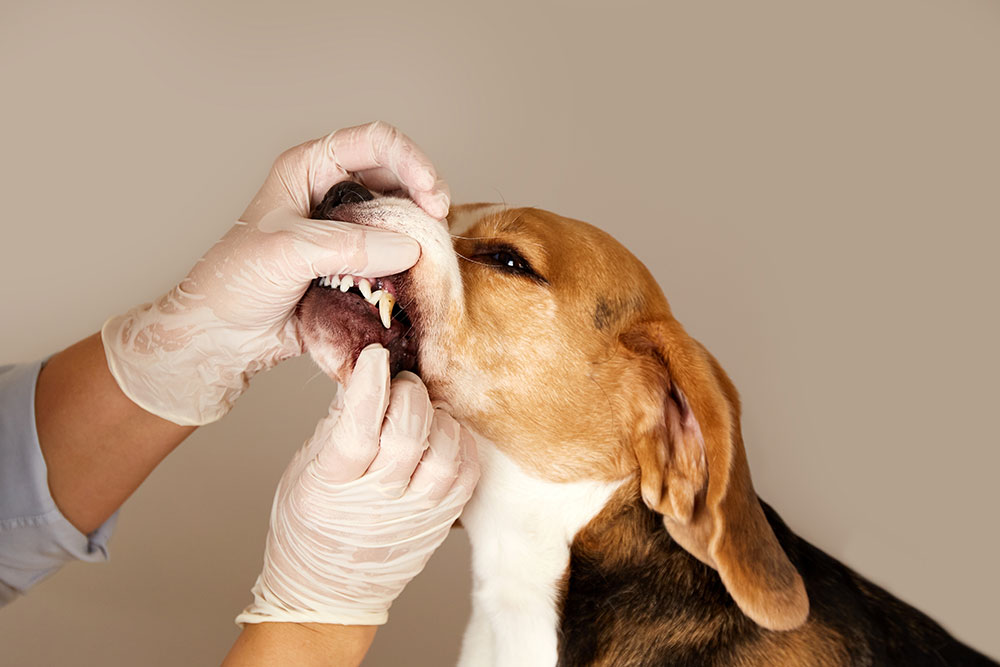
Why “Awake” Dental Procedures Put Pets in Harm’s Way
Though marketed as safe and affordable, non-anesthetic dentals can’t replace professional care. Without anesthesia, pets can’t stay still for deep cleaning or imaging, leaving disease untreated. True dental health starts with complete, stress-free evaluation.
At Town & Country Animal Hospital in Athens, AL, we understand that concerns about anesthesia are natural. As an AAHA-accredited practice, we follow the highest standards for anesthetic safety and monitoring, ensuring your pet receives comprehensive dental care that addresses both visible tartar and hidden disease. Modern anesthesia protocols, combined with skilled veterinary teams, make professional dentistry safer than ever while delivering results that non-anesthetic cleanings simply cannot match.
What Non-Anesthetic Dentals for Pets Actually Involve
Non-anesthetic dentals, or NADs, are procedures performed on awake pets by non-veterinary personnel who scrape visible plaque from tooth surfaces. While this may sound convenient, it fundamentally misunderstands what dental disease is and how to treat it.
Reasons not to choose anesthesia-free pet dentals are numerous and well-documented by veterinary dental specialists. These procedures only remove surface tartar that owners can already see. They do nothing to address infection, pain, or structural damage lurking beneath the gumline, where the majority of dental disease actually occurs.
Even more concerning, NADs can mask active disease by making teeth appear clean while leaving dangerous infections untreated. Owners walk away believing their pet’s mouth is healthy when, in reality, painful abscesses or bone loss continue progressing invisibly.
The Reality of Restraining an Awake Pet
Picture what happens during a non-anesthetic dental from your pet’s perspective. They’re held down by strangers for 30 to 60 minutes while sharp metal instruments scrape their teeth. No pain relief. No sedation. No understanding of what’s happening or why.
Even the calmest dog or cat will struggle, drool, or tremble during this process. Movement is inevitable when a conscious animal experiences discomfort and fear, creating serious risks:
- Gum lacerations from instruments slipping during movement
- Tooth fractures from excessive force needed to remove tartar on a moving target
- Aspiration of bacteria or debris into the lungs, since there’s no airway protection
- Psychological trauma that makes future veterinary visits terrifying
The person performing the cleaning often lacks training to recognize oral tumors of small animals, tooth abscesses, or jaw fractures. Critical problems go unnoticed because the focus is purely cosmetic.
Pet dental care standards established by the American Veterinary Medical Association make it clear: thorough oral examination and treatment require anesthesia. There’s no safe alternative.
Small breeds face particular danger during awake cleanings. Small breed dogs are especially prone to hidden periodontal disease below the gumline, exactly where non-anesthetic procedures cannot reach.
The Dental Disease Non-Anesthetic Cleanings Miss
The main problem with non-anesthetic pet dental cleanings is that they only address what you can see. True dental disease hides below the gumline- where infection, pain, and bone loss occur. Without anesthesia, a veterinarian cannot probe beneath the surface, take X-rays, or treat disease safely and effectively.
- Periodontal disease in dogs begins when plaque bacteria accumulate in the space between teeth and gums. As infection advances, it destroys bone and ligaments that anchor the teeth. By the time visible tartar or odor appears, irreversible damage is already underway.
- Tooth root abscesses cause intense pain but often show little on the surface until they rupture. Retrobulbar abscess in dogs develops when untreated dental infection travels behind the eye, causing swelling, pain, and potential vision loss. Because non-anesthetic cleanings can’t explore below the gumline, these infections continue unchecked, leading to facial swelling, systemic illness, and even bone infection.
- Fractured teeth are a common finding during comprehensive exams. Many go unnoticed without X-rays. Diagnosis and treatment of fractured teeth often require root canal therapy or extraction under anesthesia to prevent ongoing pain and infection.
- Tooth dislocation or sudden loss can indicate advanced periodontal disease that has already destroyed the supporting bone. Cosmetic scaling may make teeth look cleaner, but it cannot stop the bone loss or restore stability.
- Oronasal and oroantral fistulas form when neglected upper tooth disease erodes the bone between the mouth and nasal passages, resulting in nasal discharge or bleeding that owners often mistake for allergies.
- Retained baby teeth are another concern, especially in young pets. Deciduous canine tooth removal in dogs must be done under anesthesia to prevent overcrowding, misalignment, and early periodontal disease.
- Oral tumors of small animals range from benign masses to malignant cancers requiring early diagnosis and prompt treatment. These are frequently missed during awake cleanings, when the pet’s mouth cannot be fully examined.
- Pets with advanced gum disease, resorptive lesions, or bone loss- particularly small and senior pets- are also at risk for mandibular fractures if disease weakens their jawbones. Without imaging and gentle handling under anesthesia, these conditions remain undetected until a painful break occurs.
The truth is clear when reviewing why dental X-rays are needed: up to 60% of dental disease lies beneath the gumline. Non-anesthetic cleanings are purely cosmetic- they may make teeth look whiter but leave behind the pain, infection, and progressive disease that only professional anesthetic dentistry can treat.
How Professional Anesthetic Dentistry Protects Your Pet
The alternative to awake dental cleanings isn’t riskier. It’s safer, more thorough, and genuinely therapeutic.
Professional anesthetic dentistry begins with pre-anesthetic bloodwork to ensure your pet can safely undergo the procedure. During the cleaning, your pet is gently anesthetized and continuously monitored by trained veterinary staff using advanced equipment that tracks heart rate, blood pressure, oxygen levels, and temperature. Intubation protects the airway, preventing bacteria or debris from entering the lungs. This critical safety measure is impossible during awake cleanings.
With your pet comfortable and still, veterinarians can perform comprehensive care that actually addresses disease:
- Full-mouth X-rays to detect hidden infections and bone loss
- Scaling above and below the gumline to remove disease-causing bacteria
- Polishing to smooth enamel and slow future plaque accumulation
- Extractions or treatments for diseased teeth
- Pain control before, during, and after the procedure
Anesthesia and dental cleaning protocols established by AAHA ensure every step prioritizes safety and comfort. Modern anesthesia is incredibly safe thanks to pre-procedure screening, IV fluid support, and real-time monitoring by experienced veterinary professionals.
Even senior pets can safely undergo anesthesia when appropriately evaluated. Our team at Town & Country Animal Hospital uses advanced diagnostics to assess each patient’s individual needs and create customized anesthetic plans.
Recovery is smooth and pain-free. Most pets go home the same day, often more comfortable than before the procedure because painful infections have been eliminated.
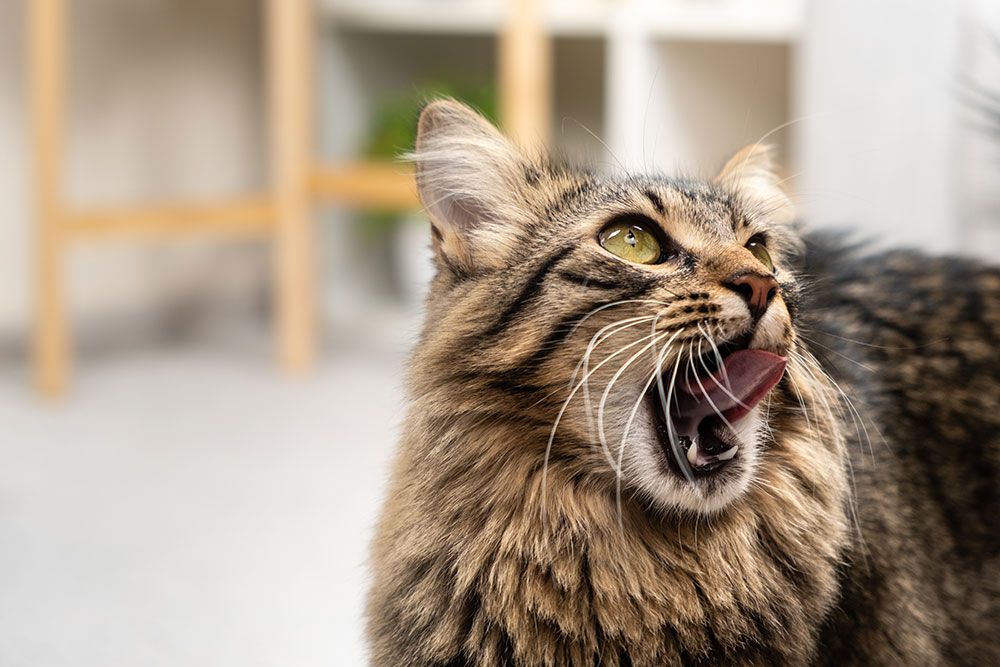
Comprehensive Pet Dental Care Supports Long-Term Health
True dental health care for pets means more than clean teeth. It means eliminating infection, preserving tooth structure, and protecting overall wellness.
Untreated oral bacteria enter the bloodstream through diseased gums, potentially affecting the heart, liver, and kidneys. Professional dentistry isn’t cosmetic. It’s a critical medical procedure that supports whole-body health.
Pet dental care combines professional cleanings with daily home maintenance for optimal results. After your pet’s anesthetic dental, our team provides guidance on brushing techniques and VOHC-approved products that slow plaque accumulation between cleanings.
As part of our comprehensive wellness approach, we help you understand your pet’s individual dental needs based on breed, age, and health history. Small breeds and brachycephalic dogs often require more frequent professional care, while proper home maintenance can extend the time between cleanings for all pets.
When dental issues become urgent, our team provides emergency care during business hours to address pain, infection, or trauma that cannot wait.
Choosing Pet Dental Safety and Thoroughness at Town & Country Animal Hospital
Non-anesthetic dentals are unsafe, incomplete, and traumatic. They provide false reassurance while leaving painful disease untreated. Only professional anesthetic dentistry allows veterinarians to deliver comprehensive, pain-free care that truly protects your pet’s oral and overall health.
At Town & Country Animal Hospital, our experienced team uses gentle anesthesia, advanced imaging, and skilled veterinary medicine to keep your pet’s mouth healthy. We understand your concerns, answer your questions, and provide the expert care your pet deserves.
If your pet is due for a dental cleaning or showing signs of oral disease, schedule an appointment today. You can also contact us to discuss your pet’s individual dental needs and learn more about our comprehensive services. Choose the safe, thorough option that truly protects your companion’s health.


Leave A Comment