Eyelid Surgery for Dogs and Cats: How Entropion and Ectropion Are Diagnosed and Corrected
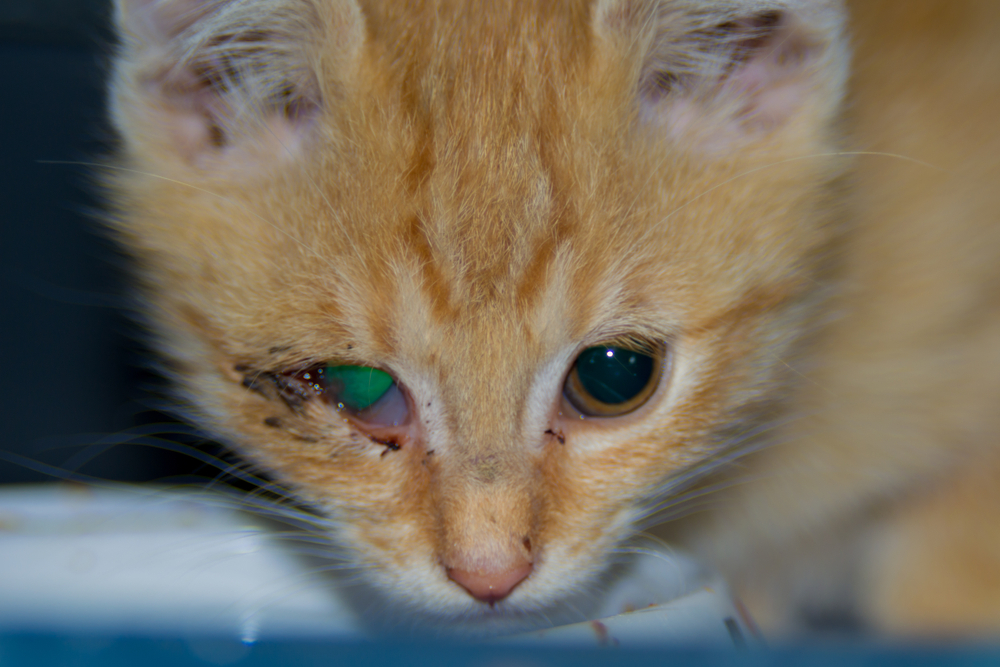
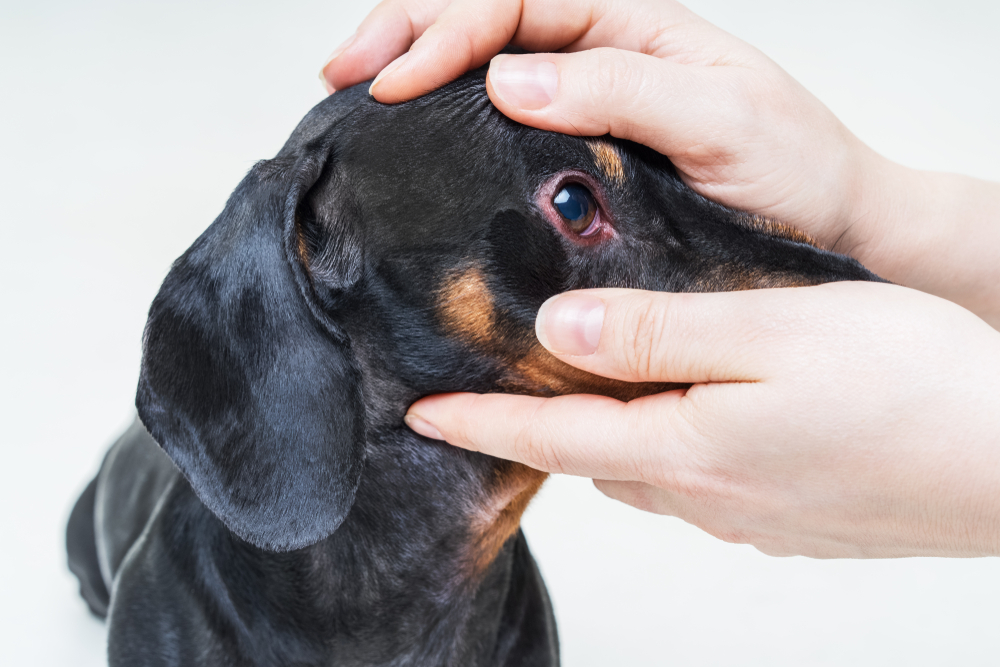
Some eye problems in pets are not really eye problems at all- they are eyelid problems. If your dog or cat has persistent tearing, squinting, redness, or recurring eye infections that never quite resolve, the underlying cause may be entropion or ectropion. Entropion occurs when the eyelid rolls inward, pressing fur and eyelashes against the cornea with every blink. Ectropion is the opposite: the eyelid droops outward, exposing delicate inner tissue to air and debris. Both conditions cause chronic discomfort and, if left untreated, can lead to serious damage to the eye surface.
The reassuring part is that both are highly correctable, and once corrected, the difference is usually dramatic. A pet who has been squinting and rubbing their face for months often goes back to comfortable, clear-eyed behavior within days of surgery. The earlier we diagnose and address the structural problem, the less damage accumulates on the cornea, which is what protects long-term vision.
At Town & Country Animal Hospital, we are AAHA-accredited and committed to client education, which means you walk out of every visit with clear answers and a plan. Our surgical team has the experience to evaluate eyelid conditions accurately and perform the precise corrections that restore comfort and protect vision. Contact us to have your pet’s eyes evaluated.
What Entropion and Ectropion Actually Are
Entropion occurs when the eyelid margin folds inward against the eye surface. With every blink, fur and lashes scrape across the cornea. The resulting friction causes pain, excessive tearing, and progressive corneal damage. In severe or long-standing cases, corneal ulcers develop and can threaten vision.
Ectropion is the outward droop. The lower eyelid sags away from the eye, exposing the conjunctiva (the pink inner tissue) to air, dust, and bacteria. This chronic exposure causes inflammation, eye discharge, and recurrent infections that keep returning because the structural cause is never addressed.
A pet can have both conditions on the same eye, called a “diamond eye” deformity, where the eyelid sags in the middle and rolls inward at the corners. This pattern is most common in breeds with very loose facial skin, like Saint Bernards and Bloodhounds, and it requires more complex surgical correction than either condition alone.
Which Breeds Are Most Affected
Hereditary eyelid conditions are common in specific breeds due to their facial anatomy:
Entropion:
- Chow Chows, Shar-Peis, Rottweilers, Labrador Retrievers
- Golden Retrievers, English Bulldogs, and other breeds with loose facial skin
- Flat-faced (brachycephalic) breeds including Pugs, Bulldogs, and French Bulldogs, who often develop medial canthal entropion where the inner corners roll in
- In cats,flat-faced breeds like Persians are predisposed.
Ectropion:
- Bloodhounds, Basset Hounds, Saint Bernards, Cocker Spaniels
- Breeds with prominent, loosely attached lower lids
Eyelid disorders can also develop later in life, independent of breed, following scarring, nerve damage, facial muscle changes, or chronic inflammation.
Breed-specific concerns are part of our puppy and kitten wellness conversations. Identifying structural risks early allows monitoring before problems develop, and in some cases planning a corrective procedure to coincide with another routine surgery like a spay or neuter.
Signs That Need Evaluation
Signs of eye pain in pets include:
- Excessive tearing or mucus discharge that is ongoing rather than occasional
- Squinting or holding one eye partly closed, especially in bright light
- Pawing at the face or rubbing the eye on furniture or the carpet
- Redness of the white of the eye or inner eyelid tissue
- Visible rolling or drooping of the eyelid margin
- Cloudiness, color changes, or a gray-blue haze on the cornea
- Recurring infections that respond to treatment but come back within weeks
- Behavior changes like reluctance to go outside in bright sun, sensitivity to wind, or avoidance of activities that put pressure on the face
These are not cosmetic concerns. Chronic corneal friction leads to scarring that permanently affects vision, and pets are remarkably good at hiding ocular pain even when they are clearly uncomfortable. Contact us if you are seeing any of these signs.
How We Diagnose Eyelid Conditions
A thorough eyelid evaluation goes beyond looking at the eye from across the room. Ocular tests used in our workup include:
- Lid position assessmentbefore and after applying numbing drops, which allows the eye to relax and reveals the true resting position of the eyelid
- Fluorescein stainto detect corneal ulcers or abrasion that would be invisible otherwise
- Schirmer tear testto measure tear production, since reduced tears often coexist with structural eyelid problems
- Magnified examinationof lash positioning to identify eyelash problems including distichiasis (lashes growing from abnormal locations) and trichiasis that can mimic entropion symptoms
- Intraocular pressure check when concurrent ocular conditions are suspected, since chronic eyelid issues sometimes coexist with glaucoma or other inflammatory eye diseases
Our advanced diagnostics support accurate assessment before any surgical plan is made. The reason this thoroughness matters: surgery for entropion that turns out to be primarily a tear film problem will not resolve the symptoms, and treating distichiasis as if it were entropion will miss the actual cause.
Treatment: From Temporary Tacking to Permanent Repair
When Surgery Can Wait
Not every case requires immediate permanent correction. Very young puppies whose facial structure is still developing may benefit from temporary eyelid tacking, where small sutures hold the eyelid in a corrected position while the puppy grows. Some cases resolve as the face matures and the tack sutures are removed. This buys time without committing to permanent surgery before the facial structure is stable.
Permanent Surgical Correction
Definitive eyelid surgery removes a precise amount of skin to reposition the eyelid margin to a normal, non-irritating position. The specific technique depends on whether entropion or ectropion is present, which part of the eyelid is affected, the degree of malposition, and the individual pet’s facial anatomy.
Surgery for entropion removes a crescent of skin and subcutaneous tissue to roll the lid outward. Ectropion repair removes tissue to tighten and elevate the sagging lower lid. Precision matters: overcorrection of entropion creates ectropion, and vice versa, which is why eyelid surgery rewards experience and careful planning more than almost any other procedure on the body.
Our surgery team uses careful technique calibrated to each individual patient.
Entropion in Cats
Entropion in cats more often develops later in life than the breed-related entropion typical in dogs, and frequently appears alongside chronic herpesvirus-related eye disease. The underlying inflammatory eye disease can cause scarring that pulls the eyelid inward, creating a secondary entropion. In these cases, treating the primary eye condition alongside eyelid correction produces better outcomes than surgery alone. For cats with chronic herpes flares, long-term antiviral therapy and lysine supplementation may be part of the broader plan to prevent recurrence.
Surgery Day: What to Expect
Every surgical patient at Town & Country Animal Hospital receives:
- Pre-anesthetic physical examinationand baseline bloodwork when indicated by age or health status
- Customised anesthesia protocolbased on the individual patient
- Pain managementthat begins before the incision, continues intraoperatively, and extends through the recovery period
- Continuous monitoringof heart rate, blood pressure, body temperature, and oxygenation throughout the procedure
- Precise suturing techniquewith appropriately sized material for the delicate eyelid tissue
Recovery and Home Care
The First Few Days
Normal after eyelid surgery:
- Mild swelling and bruising, typically peaking at 24 to 48 hours and gradually improving
- Small amount of clear discharge at the incision site
- Some sleepiness on pain medication
Call us if you see:
- Rapidly worsening swelling after the initial peak
- Yellow, green, or thick discharge from the incision
- Bleeding from the surgical site
- Loose or missing sutures
Administering eye medications at home during recovery is manageable with the right approach. Our team can demonstrate technique before discharge so you feel confident.
E-collar compliance is non-negotiable. A pet who rubs the sutured eyelid risks dehiscence (the sutures pulling open), which compromises the surgical result and may require a second procedure. The cone needs to stay on full-time, including during meals and naps, until sutures are removed. Soft fabric or inflatable alternatives sometimes work for compliant pets, but the standard cone is still the gold standard for eye protection.
Healing Timeline
- Sutures are typically removed at 10 to 14 days
- Final eyelid position settles over the following weeks as post-surgical swelling fully resolves
- Most pets show clear improvement in squinting and tearing within the first few days
- Recheck appointments confirm healing and assess the final correction result
Outcomes After Eyelid Surgery
Most pets show marked improvement immediately after recovery: the squinting resolves, the tearing decreases, and the chronic discomfort that was affecting their daily behavior lifts. Many families describe a noticeable change in personality once the constant low-grade pain is gone, with pets becoming more playful, more interested in family activities, and more comfortable being touched around the face.
The best outcomes occur when:
- Surgery is performed before significant corneal damage has accumulated
- The pet is in good general health entering the procedure
- E-collar compliance is maintained throughout healing
- Post-operative medications are given as directed
Our team stays in contact during the recovery period and is reachable if questions come up between appointments.
Frequently Asked Questions
How do I know if my dog’s runny eyes are from entropion?
Persistent tearing that does not respond to routine treatment, squinting, or visible rolling of the eyelid margin all suggest a structural cause rather than a simple infection. An examination will distinguish these.
Will my pet need surgery right away?
Not necessarily. Young puppies may benefit from temporary tacking. Adults with a confirmed eyelid malposition causing corneal damage typically need definitive repair. The recommendation depends on the individual case.
Is eyelid surgery risky?
All surgery carries some risk, and eyelid surgery is generally well tolerated. Careful pre-anesthetic assessment, appropriate monitoring, and precise technique minimise risk significantly.
What if the eyelid problem comes back?
Surgical correction for structural eyelid conditions is definitive in most cases. Rarely, a revision is needed. Secondary entropion from scarring or inflammation may recur if the underlying condition is not managed.
Can my pet still see normally during recovery?
Yes. The mild swelling around the eyes after surgery may temporarily affect how wide the lids open, but vision is preserved. The cone can make navigating tight spaces awkward for a few days, but most pets adapt within the first 24 hours.
Clear Vision Starts With Clear Answers
At Town & Country Animal Hospital, every eyelid evaluation ends with a plan you understand and feel confident acting on. If your pet has been squinting, tearing, or struggling with recurring eye problems, contact us or walk in for an evaluation. Routine ocular assessment is part of every wellness visit, which is how we catch these problems early.


Leave A Comment