
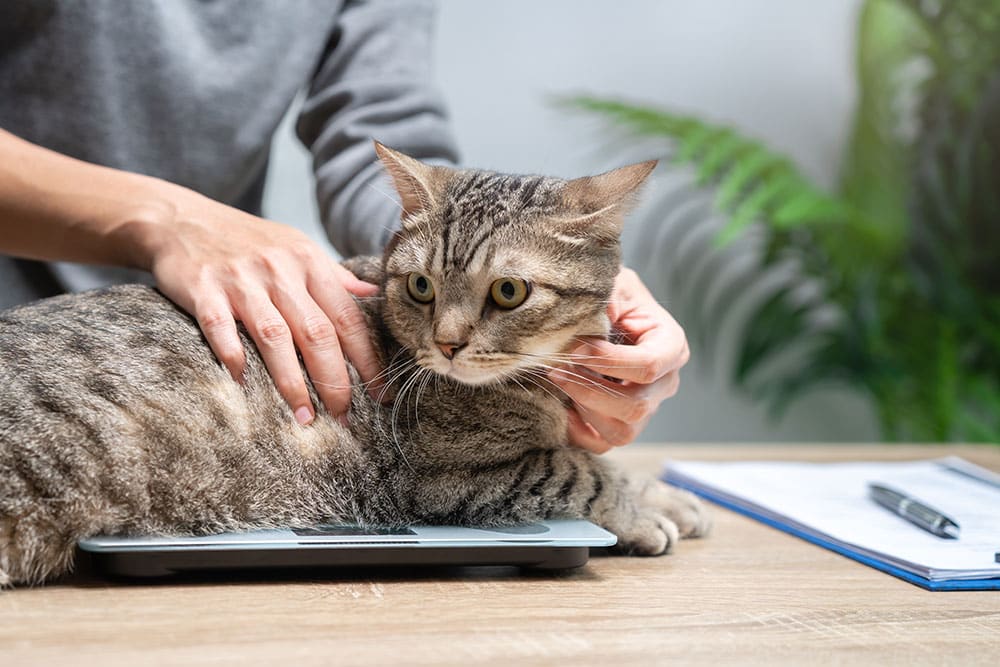
Two twelve-pound cats can step on the same scale and land on the same number while one is lean and muscular and the other carries a swinging belly, which is why a scale reading alone cannot tell you whether your pet is at a healthy weight. Veterinarians get around that blind spot by layering measurements: the weight trend across visits, a body condition score that grades body fat by look and feel, and a muscle condition check that catches the loss a scale hides. Each tool spots something the others miss, and only the combination shows whether your dog or cat needs fewer calories, more of them, or a different kind of support altogether. When the verdict is weight loss, measured portions do most of the heavy lifting, and gradual change holds far better than a drastic cut, which usually sets a pet up to regain everything they lost.
Making sure you leave every visit with no lingering questions has been Town & Country Animal Hospital’s foundation from the start, and weight checks put that promise to work: we weigh your pet, assign a body condition score, and feel the muscle along the spine and hips so no single number gets the final word. Our nutrition counseling for dogs and cats in Athens turns those findings into a feeding and exercise plan matched to your pet’s age, breed, and daily routine, whether the goal is taking weight off, putting it on safely, or holding steady. Not sure which of those fits the pet on your lap? Ask us your questions and our AAHA-accredited team will work through the whole picture with you.
Body Condition in Short
- A pet’s weight means little on its own, because body condition and muscle tell us whether those pounds are fat, lean tissue, or a mix that needs attention.
- Body condition scoring uses a simple 1 to 9 scale you can learn to check at home in a couple of minutes, with 4 to 5 sitting in the healthy range for most dogs and cats.
- Extra weight quietly raises the risk of diabetes, joint and back disease, heart strain, and a shorter life, while measured portions built around ideal weight do most of the work to reverse it.
- Slow and steady wins, since crash diets backfire, and in cats a sudden calorie drop can trigger a life-threatening liver problem, so we shape a plan around your pet and your routine.
Why Doesn’t My Pet’s Weight on the Scale Tell the Whole Story?
A scale reads total pounds, not what those pounds are made of. Two dogs at the same weight can be in very different shape, because muscle health, not the number on the display, determines how a pet moves, feels, and holds up over the years.
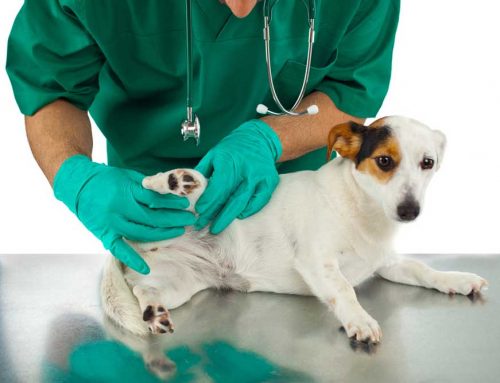
That’s why we run our hands along the spine, shoulder blades, hips, and even the skull during an exam. Muscle is graded on its own simple scale, from normal down through mild, moderate, and severe loss, and a pet can carry too much fat and too little muscle at the same time. On a scale those two changes cancel each other out, which is exactly how muscle loss slips past unnoticed in aging pets and in pets with kidney disease, heart disease, or cancer.
Breed and build shape what healthy looks like. A whippet is meant to show a tucked waist, while a Persian carries a rounder frame, and neither should be judged against the other. What matters more is the day-to-day picture: how easily your dog climbs the stairs, whether your cat still springs onto the counter, how both hold up on a warm afternoon. Our preventive wellness exams fold a body condition check into every visit, so a slow creep up or down gets caught while it’s still easy to correct.
How Do I Check My Pet’s Body Condition Score at Home?
Body condition scoring rates a pet from 1 to 9 using what you can see from above and from the side and what you can feel over the ribs, waist, and belly. Most dogs and cats land at a healthy 4 or 5, every point above that adds roughly ten percent in extra body weight, and the whole check takes about two minutes.
Three quick checks tell you most of what you need to know:
- From above: Look straight down at your standing pet. A waistline that narrows behind the ribs is what you want, while a straight or bulging outline signals extra weight.
- From the side: The belly should tuck upward from the ribs toward the hips, not hang level or sag toward the floor.
- Hands on the ribs: Press gently along the chest. At an ideal number you can feel each rib under a thin layer, like fingers gliding over the back of your hand. If you have to push through padding, the score is climbing, and if the bones feel sharp and knobby, it’s dropping.
| Score | Category | What you see and feel |
| 1-3 | Underweight | Ribs, spine, and hip bones stand out with little covering; obvious waist and deep belly tuck |
| 4-5 | Ideal | Ribs easy to feel under a thin layer; waist visible from above; belly tucks up from the side |
| 6-7 | Overweight | Ribs hard to feel under padding; waist widening or gone; belly starting to round out |
| 8-9 | Obese | Ribs buried under fat; no waist; belly sags, with heavy padding over the spine and tail base |
Do this once a month, and be extra patient with long or fluffy coats, since a plush Maine Coon or a fluffy Husky can hide real changes under all that fur. If you’re not sure where your pet lands, ask at your next visit and we’ll walk you through the checks in person.
What Does Carrying Extra Weight Actually Cost?
Extra weight hits the wallet twice. An overweight pet eats more food and treats than they need, quietly adding up to hundreds of extra dollars a year, and the medical bills for weight-related disease dwarf that.
An overweight pet is far more likely to develop diabetes, which means daily insulin, regular glucose checks, and a lifetime of added cost. Arthritis brings months or years of pain medication, and back trouble can lead to expensive surgery. Keeping your pet lean is one of the cheapest, most powerful moves you can make for their health.
What Health Problems Does Extra Weight Cause?
Extra pounds strain nearly every system at once, from the joints and spine to the heart, lungs, and bladder, and they shave measurable time off a pet’s life. Fat isn’t inert padding. It releases inflammatory signals that keep the whole body in a low-grade fire.
- Joints and spine: Every extra pound grinds on arthritic joints and strains the spine, even raising the odds of intervertebral disc disease, a painful back condition that can require surgery.
- Heart and circulation: The heart works harder in an overweight body, and that added strain contributes to high blood pressure and heart disease over time.
- Breathing, anesthesia, and heat: Fat around the chest and belly makes each breath harder. Heavy pets overheat quickly, a real danger for flat-faced breeds and for any dog out on a humid Limestone County afternoon, and carry a higher risk under anesthesia if surgery is ever needed.
- Bladder: Overweight pets see more urinary stones, and extra folds around the genitals increase risk of urinary tract infection.
- Endocrine and internal organs: Pancreatitis and diabetes in both species, and liver disease in cats, are more likely with extra weight.
- Lifespan: Study after study links leanness to a longer life, and pets carrying extra weight don’t live as long as their trim littermates.
What About Pets Who Are Too Thin?
Pets who land on the low end of the scale face a different set of problems. Too little body reserve means a weaker immune response and slower healing when illness or injury strikes. Thin pets struggle to hold their body heat, and ongoing muscle loss chips away at strength and mobility, which matters most in seniors. A rising number isn’t automatically the goal; the right weight is, and sometimes that means helping a pet gain safely.
How Much Should I Actually Be Feeding My Pet?
Portions should be built around a pet’s ideal weight rather than today’s weight, and a calorie calculator turns that target into a specific daily number. Measure every meal with a kitchen scale or a proper measuring cup, since eyeballing a scoop is the single most common way pets end up overfed.
Those numbers only work if you count everything that goes in: treats, dental chews, the crust off the toast, the spoonful of yogurt. Rewards should stay under about a tenth of daily calories.
Cats need one extra layer of caution: they should never be crash-dieted, because a sudden drop in calories can trigger hepatic lipidosis, a life-threatening liver disease. If your cat stops eating for a day or two, that’s not a wait-and-see situation. Reach us right away, or head to the nearest emergency hospital after we close.
Are Prescription Weight Diets Worth It?
For dogs and cats with a lot to lose or other health problems in the mix, a prescription weight-loss diet is usually worth it. Choosing the right food matters here, because prescription weight-loss diets are feeding-trial tested to strip fat while protecting lean muscle, something many over-the-counter light formulas never prove. They also carry more fiber, helping your pet to feel more full while still shedding pounds so they aren’t begging for extra snacks.
Those store-shelf options can be fine for a pet who needs to shed a pound or two, but for bigger goals or a pet juggling arthritis, diabetes, or kidney disease, the predictability and veterinary oversight of a prescription formula pays off. We help you match the food to your pet’s body condition and health, then build a tailored nutrition plan around it.
What’s the Safest Way to Help My Pet Lose Weight?
Safe weight loss is a marathon, not a sprint. Aim for roughly one to two percent of body weight a week so your pet loses fat rather than muscle. For a twelve-pound cat that is only a couple of ounces, so expect several months of steady progress, not a dramatic drop.
- For dogs: Helping a dog slim down comes down to measured meals on a set schedule paired with steady daily walks, not sudden bursts of hard exercise.
- For cats: Helping a cat lose weight leans on short, frequent play sessions and food puzzles that turn eating into activity rather than a bowl emptied in seconds.
- Swap the treats: Trade high-calorie biscuits for green beans, a few pieces of kibble counted from the daily ration, or plain baby carrots, so rewards keep coming without the calorie hit.
- Weigh and adjust: Weigh in and body condition score every few weeks and expect to fine-tune portions if the scale stalls, since bodies adapt and a plan that worked in month one often needs a nudge by month three.
For dogs who can benefit from exercise while you work, our K-9 Playcare in Athens runs Monday through Friday with a shaded pavilion, a splash pad for the water lovers, and climate-controlled space on the days the humidity makes outdoor play a bad idea. Play instead of a full-day couch nap burns calories and builds muscle while also fulfilling your dog’s social needs, perfect for both physical and mental health.
Could a Medical Problem Be Behind My Pet’s Weight Change?
Sometimes the scale changes for a medical reason. Hypothyroidism, which slows a dog’s metabolism and drives weight gain even when meals haven’t changed, is one of the most common reasons we see a middle-aged dog’s body condition score rise. Weight that won’t budge on a sensible diet, or a sudden drop with no change in feeding, is worth a closer look because the fix may lie in treating a condition rather than adjusting the bowl.
| Species | Condition | What it does to weight |
| Dogs | Hypothyroidism | Slows metabolism, causing steady gain despite normal meals |
| Dogs | Cushing’s disease | Excess cortisol drives a pot-bellied look and a bigger appetite |
| Both | Arthritis | Pain keeps a pet from wanting to move, increasing weight, which then increases pain, becoming a cycle |
| Both | Diabetes | Weight loss despite a strong appetite |
| Cats | Hyperthyroidism | Speeds metabolism, causing weight loss with a ravenous appetite |
| Both | Kidney disease | Gradual weight and muscle loss, often with a fading appetite |
| Both | Cancer | Unexplained weight loss even when a pet is eating well |
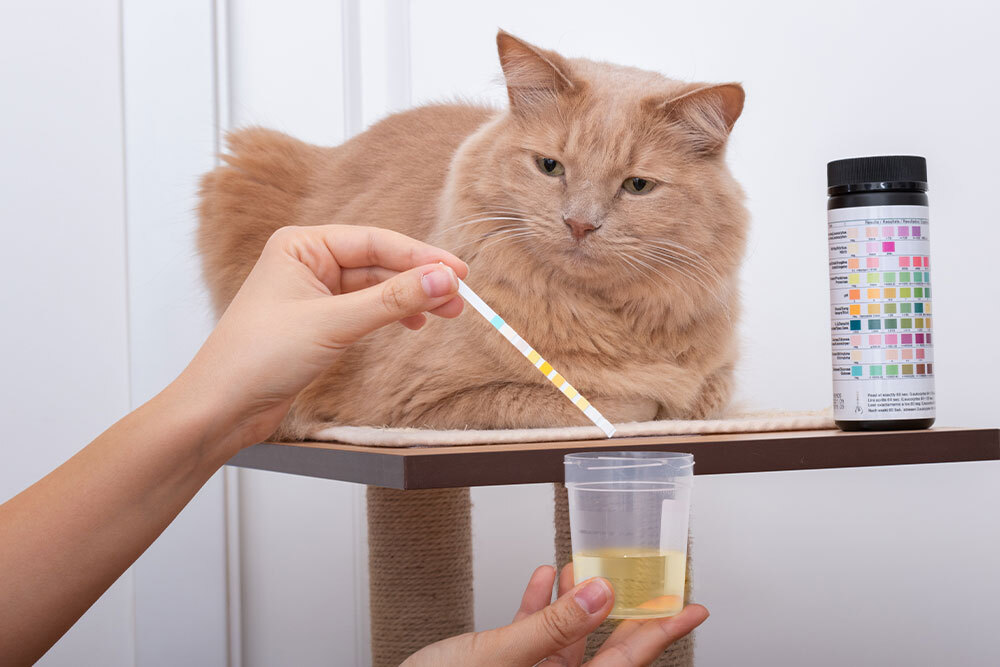
Our in-house bloodwork and urinalysis let us run a complete blood count, chemistry panel, thyroid level, and urine check with same-day results, so we can sort a metabolic cause from a simple case of the wrong number of calories. For arthritic pets, laser therapy can help decrease inflammation and pain, helping them want to move again and driving healthy weight loss. Treat the root problem, and healthy weight change usually becomes possible again.
How Often Should My Pet’s Weight Be Checked?
A pet’s ideal weight is a moving target across life stages, so weight and body condition deserve a fresh look at least twice a year. Puppies and kittens need enough fuel to grow, adults need steady maintenance, and seniors can quietly lose muscle even as fat creeps up.
Twice-yearly senior exams matter for more than just weight checks, since pairing them with early-detection blood screening sets a normal baseline that makes later metabolic shifts easier to spot. You’re also welcome to stop in for a quick weigh-in between visits, which is often the simplest way to tell whether a new feeding plan is working. As your pet grows, ages, and slows down, we update portions, diet choices, and activity targets to match the pet in front of us, not the one from three years ago.
Your Pet Weight Questions, Answered
Can My Dog or Cat Feel Full While Eating Less?
Feeling satisfied on fewer calories is doable. Higher-fiber and higher-protein weight diets are built to fill the stomach without the calorie load. Splitting the daily ration into three or four small meals stretches the experience of eating. Most pets settle into the new routine within a couple of weeks and stop lobbying for refills.
Do I Have to Change My Pet’s Food to Help Them Slim Down?
You don’t always need to switch foods to help a pet lose weight. Some do fine on a measured amount of their current diet, especially with only a little to lose. If we do recommend a change, transitioning to a new food should happen gradually over about a week, mixing a little more of the new diet in each day so the stomach has time to adjust. A sudden swap often causes an upset tummy that makes the whole process harder.
How Do I Control Portions When My Pets Steal Each Other’s Food?
In a multi-pet home, the free-fed bowl on the floor is usually the culprit. Feeding pets in separate rooms or crates at set mealtimes lets each one eat their measured portion in peace. Microchip-activated feeders open only for the right pet and can end the countertop grazing entirely. It takes a bit more effort up front, but it’s the difference between a plan that works and one where the chunkiest pet quietly finishes everyone’s leftovers.
A Healthier Weight, One Athens Season at a Time
Better body condition isn’t really about a number on a chart. It’s about the dog who bounds up the porch steps in July heat without slowing down and the cat who still makes the leap to the windowsill at twelve. Easier movement, fewer health scares, and more good years are the real payoff, and they add up over a lifetime.
Saying no to a hopeful face at the dinner table is honestly hard, and you don’t have to figure it out alone. Weight care is woven into our routine wellness visits, and the steps we suggest are small, doable, and shaped around your home and schedule. When you’re ready to start, reach out and we’ll build a calm, judgment-free plan you can actually stick with, right here at Town & Country Animal Hospital in Athens.



Leave A Comment