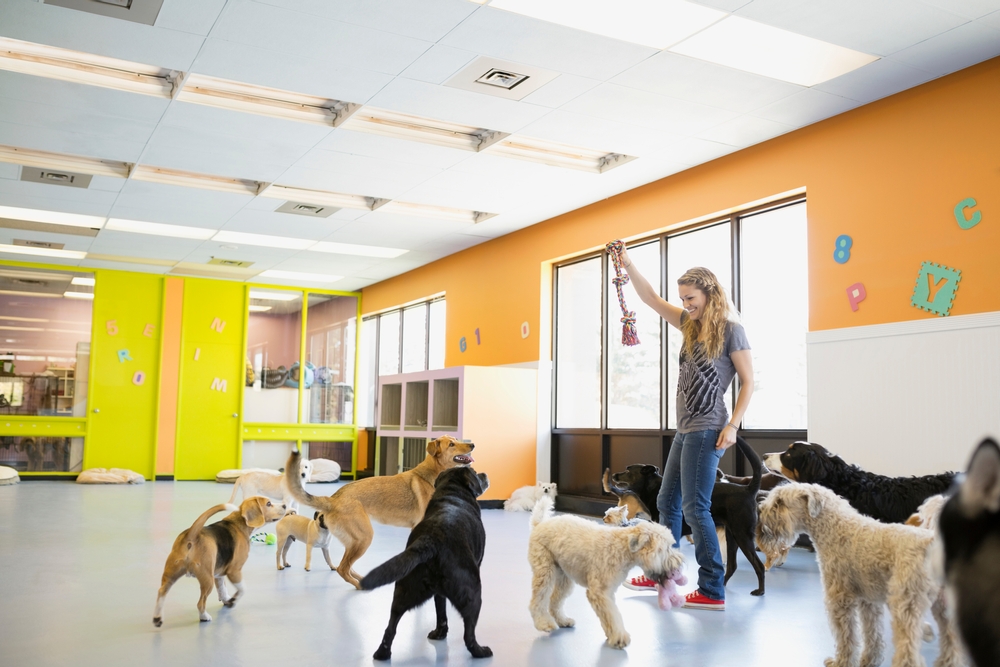
Daycare safety is as much a medical question as a behavioral one, and that is the part most owners overlook. The visible safeguards like supervision and dog-matching matter, but so does the layer underneath: enforced vaccine requirements, a screen for contagious disease, and an honest read on whether your dog is physically suited to a full day of group play. A dog placed in the wrong environment can come home anxious, but a dog placed in a group with lax health rules can come home sick, and the second problem is harder to see coming.
At Town & Country Animal Hospital in Athens, we run our own Playcare program with attentive supervision and a real understanding of how dogs communicate in a group, and we keep your dog’s vaccines current so they are always ready to take part safely. To learn what Playcare involves or to get your dog caught up before enrolling anywhere, get in touch and we will walk you through it.
The Health Side of Daycare Safety
- Daycare safety is partly medical: vaccines, parasite control, and disease screening matter as much as supervision.
- Vaccines reduce risk, not to zero: even fully vaccinated dogs can pick up kennel cough or giardia.
- Medical fit is real: age, arthritis, and chronic conditions change whether group play is safe.
- The post-pickup health check catches the early illness and hidden wounds a group setting can produce.
Why Is Daycare Safety a Medical Question, Not Just a Behavioral One?
A safe daycare protects health as deliberately as it manages behavior, because a group of dogs sharing air, water, and floor space is an efficient way to spread disease. The facilities that get this right enforce vaccine requirements, verify a recent negative fecal test, and turn dogs away when records lapse. The ones that treat health rules as flexible put every dog in the room at risk.
Structured socialization shapes how comfortable a dog is around unfamiliar dogs and people, and safe group play has visible markers once you know the signs: dogs taking turns, frequent self-interrupting breaks, loose and bouncy body language, and staff actively engaged rather than watching from a corner. Without great staff closely monitoring the dogs, fights may break out, and dogs come home anxious or injured.
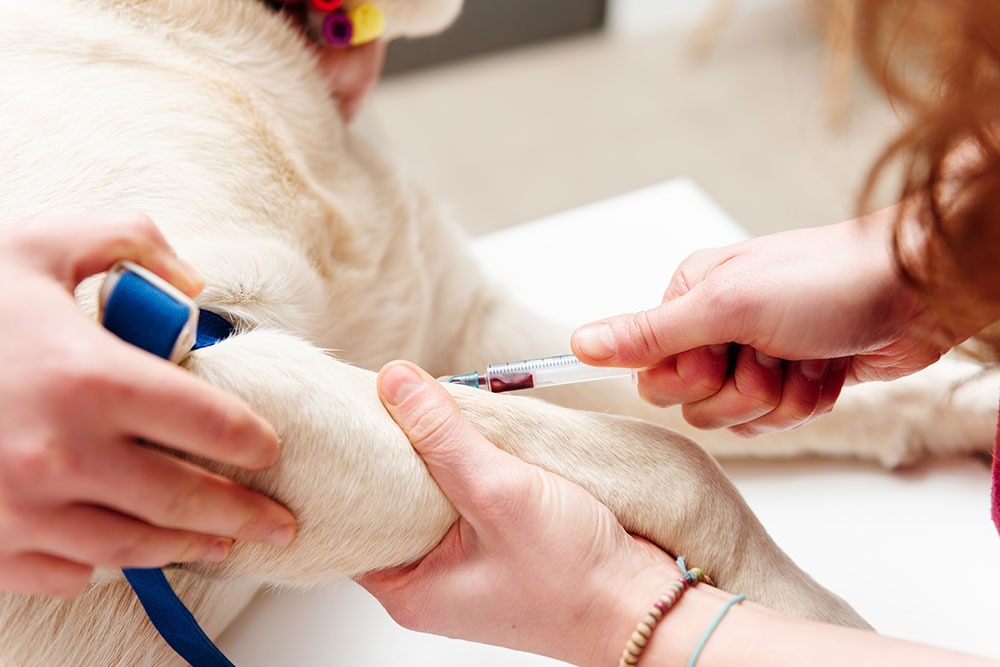
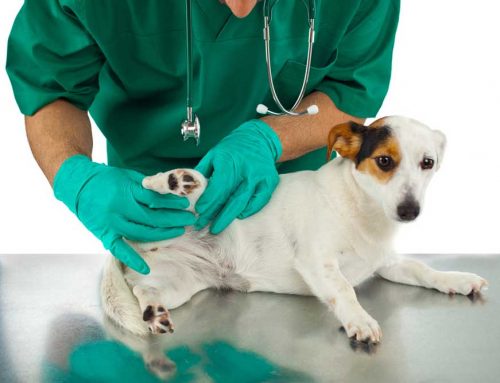
That is why a pre-daycare wellness visit is worth scheduling no matter which facility you choose. We can confirm vaccines, check for parasites, evaluate whether your dog is fit for a full day of activity, and flag anything, from a heart murmur to early arthritis, that might make group play riskier than it looks.
Which Vaccines Should a Daycare Require Before Your Dog Joins?
A daycare that takes disease seriously requires proof of core and lifestyle vaccines and verifies them rather than taking your word for it. Typical requirements for a daycare-attending dog:
- Rabies, legally required for dogs over four months in Alabama
- DAPP for distemper, adenovirus, parvovirus, and parainfluenza
- Bordetella, often boosted every 6 to 12 months for group attendees
- Canine influenza (H3N2 and H3N8), increasingly required after outbreaks
- Leptospirosis in many areas, given local wildlife exposure
- A documented negative fecal test, usually within the past 6 to 12 months
- Current flea and tick prevention
We can confirm vaccine timing, provide the documentation a facility needs, and tailor a prevention plan for a dog in group settings. Playcare at Town & Country requires rabies, DAPP, bordetella, and influenza, and all dogs must be free of internal and external parasites. Year-round flea and tick prevention is the rule in Alabama’s climate, and our pharmacy carries the products that fit a daycare dog’s life:
- Flea and tick prevention for dogs in oral and topical forms.
- Heartworm and intestinal parasite prevention for dogs on a year-round schedule.
Ask us what parasite prevention we’d recommend for your dog’s individual risk factors. Our team is happy to go through the options with you.
What Contagious Diseases Spread in Group Settings?
Even a spotless facility cannot eliminate exposure, because close contact is the whole point of daycare. Knowing what spreads, and how, makes vaccination and parasite control feel less like paperwork and more like the protection it actually is.
| Disease | How it spreads | How you prevent it |
| Parvovirus | Contaminated environment, survives months | DAPP vaccine, keep boosters current |
| Leptospirosis | Standing water, wildlife urine | Lepto vaccine covering common serovars |
| Kennel cough | Airborne, close contact | Bordetella vaccine, expect occasional cases |
| Canine influenza | Respiratory droplets, rapid in groups | Influenza vaccine, matters after outbreaks |
| Giardia | Contaminated water and feces | Fecal testing, not vaccine-preventable |
| Ringworm and mange | Direct skin-to-skin contact | Prompt treatment, isolate affected dogs |
The viruses and bacteria that show up most often at daycare:
- Parvovirus: well covered by DAPP in vaccinated adults, but dangerous to puppies and lapsed dogs.
- Kennel cough: caused by many organisms, so expect the occasional case even at the best-run facilities.
- Canine influenza: flares periodically and moves fast through group settings.
- Oral papilloma virus: harmless but uncomfortable warts that show up in young dogs after close-mouth play.
Parasites and other contagious skin diseases also move through shared yards and close contact:
- Giardia and other intestinal parasites like roundworms and hookworms pass through contaminated water and stool.
- Ringworm (a fungus) spreads through skin-to-skin contact and shared bedding.
- Sarcoptic mange is an itchy mite and contagious between dogs.
If your dog develops skin, respiratory, or GI signs within a few days of daycare, our advanced diagnostics and same-day emergency availability can sort out the cause quickly.
Is Your Dog Medically Suited to Group Play?
Not every dog is a daycare dog, and the reasons are often medical rather than behavioral. A dog’s tolerance for a busy group shifts with age and health, so a dog who thrived at two may need a quieter option at eight. Reading your dog’s body language at drop-off and pickup tells you whether the setting still fits.
Signs daycare is working:
- Comes home tired but content and eats and drinks normally that evening
- No new reactivity, injuries, or sleep changes
- Enters the building with a loose, relaxed posture
Signs to reassess:
- Reluctance, hiding, or trembling at drop-off
- Coming home flat and withdrawn rather than pleasantly tired
- Repeated minor injuries or a new limp
- Appetite or sleep disruption after daycare days
For dogs who prefer quiet, need individual attention, have a chronic condition, or are recovering from surgery, supervised boarding is often safer than a group floor. Seniors with arthritis or vision and hearing loss frequently fall in this group, and our senior pet care visits help map out what suits an older dog.
When Is a Puppy Medically Ready for Daycare?
A puppy is not ready for general daycare until the core vaccine series is complete, because a developing immune system in a crowded group is a real disease risk. The complication is that the puppy socialization window closes early, around 14 weeks, well before the vaccine series finishes.
Waiting for full vaccination to begin any socialization is not the answer, since early socialization balances disease risk against the lasting behavioral cost of under-socialization. Structured puppy classes with stage-appropriate vaccine rules are the safest bridge, while dog parks pose the highest risk for a young puppy. Completing the series and attending classes sets a puppy up to enjoy a quality daycare later rather than fear it.
Once your puppy is old enough, spay or neuter is the next step to get them ready for daycare. Most daycares require age-appropriate spay or neuter, ours included.
Our puppy and kitten wellness visits build socialization timing, spay or neuter, and group readiness right into the schedule.
How Does a Vet-Run Program Like Playcare Build Safety In?
A daycare attached to a veterinary practice has a built-in advantage: the same people who know your dog’s health history are watching the group. Good supervision means staff who read body language and intervene early, group dogs by size and play style, and build a genuine midday rest period into the day rather than running eight hours of nonstop arousal.
A good facility leans on careful introductions and a required trial time before full enrollment, which is how problems get prevented instead of just reacted to. A screened, supervised group is also a safer place for a medically vulnerable dog than an unscreened public dog park, where vaccine status and temperament are anyone’s guess.
Town & Country’s Playcare brings dog daycare in Athens to a new level:
- Playcare attendants who watch dogs carefully and intervene when needed
- Medical staff in the same building who can take care of any issues immediately
- Built in mid-day rest breaks to decompress and reset
- Plenty of shade and climate-controlled spaces if the weather doesn’t cooperate
- A splash pad to keep those water-loving pups entertained
- Every dog is screened for temperament before being added to the group
Because we’re a veterinary hospital, you can be sure every dog is required to be up-to-date on health requirements and that strict cleanliness is upheld.
What Health Checks Should You Do After Pickup?
A 30-second once-over at pickup catches the minor injuries and early illness even a well-run day can produce, so make it a routine rather than a reaction to an obvious problem.
- Run your hands along the body for new lumps, scrapes, bites, or sore spots
- Check ears, eyes, and mouth, noting any issues such as redness, squinting, or discharge
- Watch for limping or stiffness on the walk to the car
- Inspect paws for cuts or worn pads
Any new injury or illness after daycare is worth a prompt look, so contact us and we will evaluate it.
How Do You Set Your Dog Up for a Healthy Start?
A gradual start and honest information build a safer experience than diving straight into full days. Short trial sessions and calm drop-offs let a dog acclimate, and staff need the full health picture to keep your dog safe. Share medication schedules, anxiety triggers, physical limitations like arthritis or vision changes, known behavioral tendencies, food sensitivities, and your dog’s history with other dogs.
It’s normal for some dogs to have preferences in playmates or play styles, and informing your daycare is the best way to prevent problems.
A healthy post-daycare pickup looks like a dog who is happy to see you, ready for a calm evening, and eating and drinking normally.
Frequently Asked Questions About Daycare Health and Safety
Does Daycare Make Dogs Sick More Often?
Group settings do raise exposure, but a facility with enforced vaccine rules, fecal testing, and a symptom-free return policy keeps the risk low. The dogs who get sick most are usually under-vaccinated or attending facilities with lax health enforcement. Strong policies, not luck, are what keep illness uncommon.
Can My Dog Catch Something Even If Fully Vaccinated?
Vaccines lower risk substantially but never to zero. The Bordetella vaccine covers common kennel cough organisms but not all of them, and giardia is not vaccine-preventable at all. Expect the occasional mild cough or GI upset even from a good facility, and watch for anything that lingers or worsens.
My Dog Came Home With Diarrhea After Daycare. What Should I Do?
Mild, brief diarrhea that resolves within a day often just reflects excitement or a diet slip. Diarrhea that persists, contains blood, or comes with vomiting or lethargy warrants evaluation, since giardia and other parasites spread easily in groups. Mention the daycare attendance, as it helps us narrow the cause.
Does My Senior Dog Need a Different Daycare Plan?
Often yes. Seniors with arthritis, vision or hearing loss, or lower stamina usually do better with shorter visits, calmer groups, or a quieter boarding setting than with active group play. A wellness check clarifies what is safe, and adjusting the plan keeps an older dog comfortable rather than overwhelmed.
A Healthy Daycare Partnership
A safe daycare protects health, supervises play, enforces vaccines, and takes rest seriously, and the medical side of that is where a veterinary partner helps most: keeping vaccines current, evaluating fitness, preparing documentation, and offering a calmer alternative when group play is not the right fit. We are AAHA accredited, which means our preventive-care standards meet defined national benchmarks for best practices.
If you are weighing daycare for your dog, need vaccines updated, or want to talk through whether group play suits your specific pet, contact us and our team will help.


Leave A Comment