
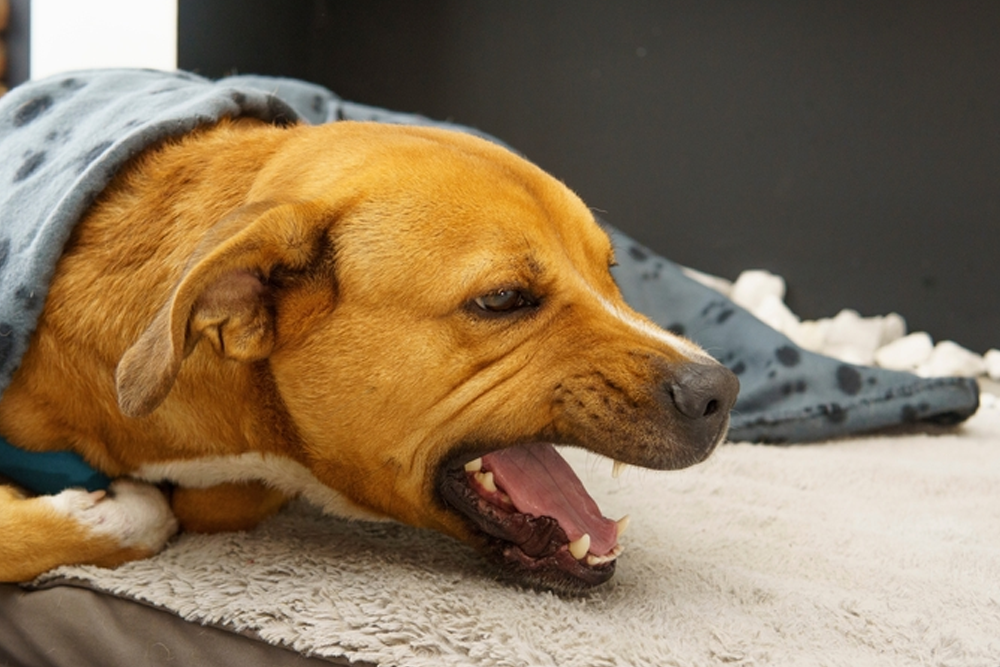
The first time you hear it, it does not quite sound like a cough. It is more of a sudden, repetitive honking. Your little dog stops mid-play, starts making that noise, extends their neck like they are trying to get more air, and then, often as quickly as it started, settles back down and looks at you like nothing happened. Collapsed trachea is one of the more common respiratory conditions in small and toy breeds, and while many dogs manage their whole lives with only occasional episodes, others progress to chronic coughing and breathing difficulty that significantly affects their quality of life.
Town & Country Animal Hospital in Athens believes you deserve to walk out of every appointment without lingering questions, and tracheal collapse is a condition with enough nuance that a thorough conversation is genuinely important. Our advanced diagnostics help us grade the severity of collapse and guide treatment decisions. Contact us to have your small dog evaluated, or reach out with questions anytime.
Highlights
- The classic honking cough comes from the cartilage rings of the windpipe weakening and flattening during breathing, most often in small and toy breeds like Yorkies, Pomeranians, Toy Poodles, Maltese, and Chihuahuas.
- Severity is graded I through IV based on how much the airway narrows; the grade shapes whether medical management alone is likely to work, or whether stenting or other interventions need to be considered.
- Weight management and switching from a collar to a harness are the two highest-impact lifestyle changes for affected dogs, often producing noticeable improvement on their own before any medications are added.
- True respiratory emergencies (blue or grey gums, severe breathing effort at rest, collapse) need to be seen straight away rather than waiting out the episode; most other coughing episodes can be managed with the rest-and-call-us approach.
What Is Tracheal Collapse and How Does It Develop?
The trachea (windpipe) is normally held open by C-shaped rings of cartilage along its entire length. These rings give the airway its characteristic open, tubular shape, allowing air to move freely between the throat and the lungs. In tracheal collapse, those cartilage rings weaken and lose their structural support, allowing the trachea to flatten or fully collapse during breathing.
The collapse typically happens during inspiration in the cervical (neck) section of the trachea, or during expiration in the thoracic (chest) section. As pressure changes during normal breathing, the weakened tracheal walls can no longer maintain their open shape, the airway narrows or closes, and the dog struggles to move air through.
This is a progressive condition. The cartilage does not suddenly fail. It weakens gradually over months or years, with symptoms typically becoming noticeable in middle-aged to senior dogs. Some dogs are born with weaker cartilage that produces symptoms earlier; others have decades of mild collapse before clinical signs appear.
Several factors influence development and progression:
- Genetic predisposition (the largest factor for most affected dogs)
- Chronic coughing from any cause that puts repeated strain on the trachea
- Collar use that places direct pressure on the tracheal area
- Excess body weight that increases overall respiratory effort
The classic affected breeds include Yorkshire Terriers, Pomeranians, Toy Poodles, Maltese, Chihuahuas, Pugs, and many other toy and small breeds. Larger breeds can develop tracheal collapse but it is far less common.
What Do the Severity Grades Mean for Treatment?
Tracheal collapse is graded on a four-point scale based on how much the airway narrows during the worst part of a breathing cycle. The grade is established through bronchoscopy or fluoroscopy and shapes the treatment approach.
| Grade | Airway Narrowing | Typical Symptoms | Treatment Approach |
| Grade I | About 25% narrowing | Occasional honking cough with excitement; otherwise unremarkable | Lifestyle changes (harness, weight); often no medications needed |
| Grade II | About 50% narrowing | More frequent coughing episodes; mild exercise intolerance | Lifestyle changes plus cough suppressants and anti-inflammatories as needed |
| Grade III | About 75% narrowing | Frequent coughing, noticeable breathing effort, reduced activity | Full medical management; consideration of stenting if symptoms persist |
| Grade IV | Full collapse with airway nearly or completely closed | Severe respiratory effort, exercise intolerance, episodes of distress | Aggressive medical management; stenting often discussed |
The grade is not destiny. Some Grade III dogs do beautifully with medical management alone, and some Grade II dogs progress quickly without lifestyle changes. The number gives us a starting point for the conversation rather than a fixed prognosis.
What Are the Symptoms of Collapsed Trachea?
The hallmark sign is a distinctive cough that is often described as honking, goose-like, or sounding like a small dog imitating a goose. The cough typically:
- Occurs in episodes rather than as constant coughing
- Is triggered by excitement, exercise, or pulling on a leash
- Worsens with heat, humidity, or stress
- Produces a goose-honk or trumpet-like sound
- May be followed by gagging or attempts to clear the throat
- Resolves quickly once the trigger passes
Beyond the cough, dogs with progressing tracheal collapse may show:
- Increased respiratory effort, particularly noticeable on inspiration
- Exercise intolerance with the dog tiring quickly or refusing to walk far
- Gagging or retching after drinking water
- Difficulty calming down after excitement
- Restless sleep with periods of laboured breathing
- Reluctance to play or go for walks
Severity ranges widely. Some dogs cough only occasionally and live entirely comfortable lives with minor adjustments. Others progress to severe respiratory distress that significantly affects quality of life and requires intensive management. Coughing in dogs has multiple causes, and the pattern of when and how your dog coughs tells us a lot before any imaging happens.
Symptoms often worsen at night, in hot or humid weather, when the dog is overweight, and when stress or excitement is high. Recognising the patterns helps both with day-to-day management and with telling us when something is changing.
If you notice new or worsening respiratory symptoms in a small breed dog, contact us for evaluation. Earlier diagnosis allows us to start management before the condition has progressed significantly.
What Emergency Warning Signs Require Immediate Care?
There is an important distinction between chronic management of stable disease and an acute respiratory crisis. Most dogs with collapsed trachea live with chronic, manageable symptoms. Some, however, experience acute episodes that require immediate intervention.
The signs of difficulty breathing requiring immediate care:
- Severe respiratory distress with obvious effort to breathe
- Cyanosis: blue or grey gums or tongue indicating insufficient oxygen
- Collapse or near-collapse
- Inability to catch breath even at rest
- Severe panic with the dog unable to settle
- Visible exhaustion from breathing effort
Any of these are clear pet emergency signs that warrant immediate veterinary care. Stress and panic often worsen these episodes by increasing oxygen demand at a time when oxygen delivery is compromised.
Emergency stabilization typically involves:
- Oxygen therapy to ease breathing immediately
- Sedation to reduce panic and oxygen demand
- Anti-inflammatory medications to reduce airway swelling
- Bronchodilators to open the smaller airways
Once stable, additional evaluation and adjustment of long-term management often follow. For severe respiratory distress, our emergency services are available during our normal hours. Time matters significantly with respiratory crises; sooner is always better.
How Is Collapsed Trachea Diagnosed?
Diagnosis combines history, physical examination, and imaging. The classic story (small breed dog with episodic honking cough) often points strongly toward tracheal collapse before any imaging happens.
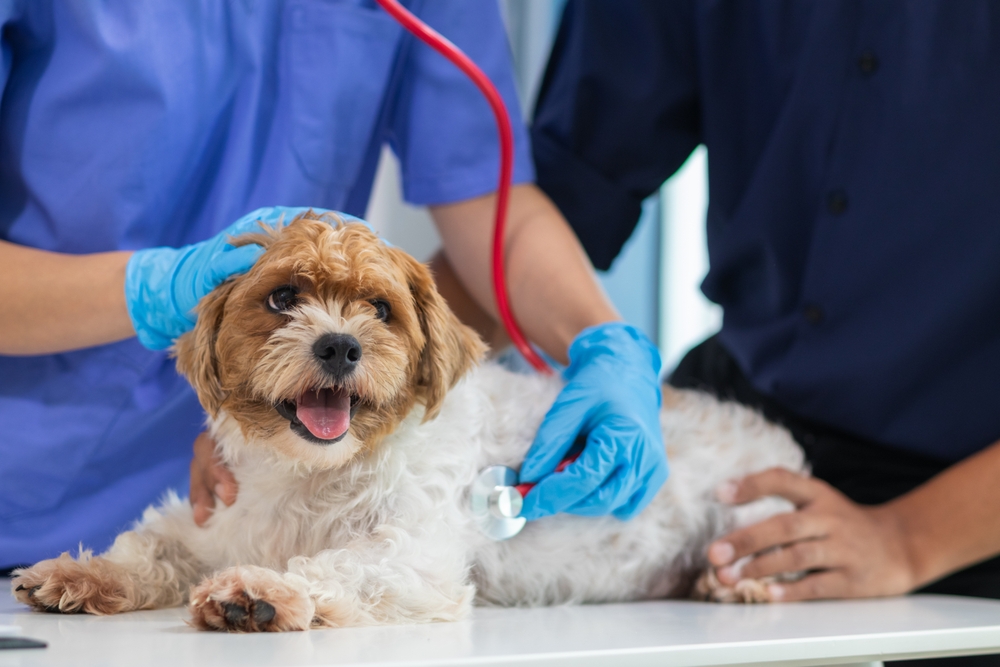
- Physical examination evaluates respiratory pattern and effort, listens to airways for characteristic sounds, palpates the trachea (gentle pressure on the upper tracheal area can sometimes elicit a cough in affected dogs), and rules out other obvious causes of cough.
- Radiographs (X-rays) of the chest and neck, taken on both inspiration and expiration, show the trachea in two phases of breathing. They can demonstrate collapse if it happens during the X-ray, but they often miss intermittent collapse that resolves between breaths.
Other diagnostics often included: bloodwork to assess overall health, evaluation for heart disease (which can cause similar symptoms in small breed dogs), and sometimes echocardiography when cardiac involvement is suspected. In more severe or complex cases, additional diagnostic tests may be needed:
- Fluoroscopy is real-time moving X-ray imaging that captures the trachea throughout the breathing cycle. This is the gold standard for visualising dynamic collapse and grading severity.
- Tracheoscopy uses a small camera passed into the trachea to directly visualise the airway. It allows precise grading of collapse severity and evaluation for concurrent conditions like inflammation or secondary infection.
Several conditions produce coughs that sound similar to tracheal collapse, and ruling them out is part of the workup:
- Mitral valve disease, very common in small breeds, can cause coughing that mimics tracheal collapse
- Chronic bronchitis often coexists with tracheal collapse and complicates management
- Laryngeal paralysis produces a noisy, harsh breathing pattern with reduced ability to clear the throat
- Kennel cough (infectious tracheobronchitis) causes a similar honking cough but typically resolves over 1 to 3 weeks
- Pneumonia produces coughing alongside fever, lethargy, and laboured breathing
- Reverse sneezing is often confused with collapse episodes but is a different condition
Advanced cases that need fluoroscopy or tracheoscopy beyond what is available in general practice may be referred to a specialist; we coordinate that referral and continue managing your dog alongside the specialist team.
What Does Medical Management Look Like for Mild to Moderate Cases?
Medical management forms the foundation of treatment for most dogs with tracheal collapse, and many affected dogs do well with conservative therapy alone for years. The medications are tailored to individual symptoms and often need adjustment over time as the disease evolves.
The medication categories used:
- Cough suppressants (hydrocodone, butorphanol, others) reduce the cycle of coughing that causes further tracheal trauma. Coughing itself worsens collapse over time, so breaking the cough-irritation-cough cycle is therapeutically important.
- Anti-inflammatory medications (corticosteroids, often as inhalants for chronic use to minimize systemic effects) reduce airway inflammation that contributes to symptoms.
- Bronchodilators (theophylline, terbutaline) open smaller airways and reduce overall respiratory effort. Particularly useful when concurrent bronchitis is present.
- Antibiotics when bacterial infection is documented or strongly suspected. Not used routinely, but important when secondary infection develops.
- Sedatives or anti-anxiety medications in selected cases where panic and excitement consistently trigger severe episodes.
- Laser therapy as an adjunct to reduce inflammation in the upper airway and ease the chronic irritation that contributes to coughing.
The right combination is individualised based on severity, frequency of symptoms, response to initial treatment, and any concurrent conditions. Consistent follow-up matters here; we adjust medications based on what is working and what is changing rather than setting a plan once and walking away from it. Our wellness visits include monitoring of chronic respiratory conditions and ongoing adjustment of management plans.
When Is Surgery or Tracheal Stenting the Right Option?
For dogs with severe collapse that does not respond adequately to medical management, surgical intervention can dramatically improve quality of life.
Tracheal stent placement is the most common approach for severe cases. A self-expanding metal stent is placed inside the trachea, supporting the walls and restoring airflow. The procedure is typically minimally invasive, performed via the mouth without traditional surgical incisions. Stents work well for cervical (neck) tracheal collapse, less well for thoracic (chest) collapse, and generally not at all for bronchial collapse (collapse of the smaller airways below the trachea).
Surgical ring prosthetics, in which plastic rings are placed around the outside of the trachea to support its shape, are an older approach now typically reserved for younger dogs with cervical collapse and good general health. The procedure involves traditional surgery rather than minimally invasive placement, and the case selection is more restrictive than for stenting.
Stenting is not a cure. It addresses the mechanical airway problem, but the underlying tissue weakness remains, and most dogs continue on at least some medical management after the procedure.
Candidacy criteria typically include:
- Severe Grade III or IV tracheal collapse
- Inadequate response to maximal medical management
- Persistent quality-of-life impairment despite treatment
Risks to discuss include stent migration (the stent moves out of position), stent fracture, ongoing cough despite stenting (the cough can persist if the airway remains irritated), and complications from anesthesia in dogs with already-compromised respiratory function.
Surgical decisions involve weighing potential benefits against these risks in the context of the family’s goals. We refer cases requiring stent placement to specialty centres with experience in interventional respiratory procedures, while continuing to coordinate ongoing care.
Breed Risk, Modifiable Triggers, and Daily Management
Small and toy breeds are most affected by tracheal collapse due to genetic cartilage weakness and anatomical factors that make their tracheas particularly susceptible. Within breeds, individual variation is substantial. Some toy poodles develop severe tracheal collapse by middle age; others never show clinical signs.
How Does Brachycephalic Anatomy Complicate the Picture?
Brachycephalic airway syndrome frequently overlaps with tracheal collapse in flat-faced breeds like Pugs and Bulldogs. The combination of multiple anatomical airway abnormalities (narrowed nostrils, elongated soft palate, everted laryngeal saccules) can complicate diagnosis and management. Some brachycephalic breeds also have hypoplastic trachea, a congenital narrowing of the windpipe that is structurally different from tracheal collapse but produces similar symptoms. Distinguishing the contributions of each component matters for treatment planning, which is why proper diagnostic imaging is worth doing rather than assuming the cause from the cough alone.
What Modifiable Factors Reduce Flare-Ups?
- Body weight: excess weight is one of the most impactful modifiable factors. Obesity increases respiratory effort, accelerates progression, and worsens episode severity. Our nutritional counseling can help develop a sensible weight loss plan tailored to your dog.
- Collar versus harness: collars place direct pressure on the cervical trachea exactly where collapse most commonly occurs. Switching to a properly fitted harness eliminates this trigger and is one of the highest-impact lifestyle changes.
- Environmental irritants: cigarette smoke, strong cleaning products, dust, and air pollution all worsen tracheal symptoms. Reducing exposure helps with both episode prevention and overall airway health.
- Chronic respiratory infections: repeated infections damage tracheal tissue and accelerate progression. Vaccines reduce the risk of the most common infectious causes, including Bordetella (kennel cough), parainfluenza, and canine influenza. Dogs who go to daycare, boarding, grooming, or dog parks benefit most from the broader respiratory vaccine panel.
- Dental disease: chronic periodontal disease produces bacterial inflammation that contributes to upper airway irritation and increases the risk of aspiration in dogs with weakened airways. Regular dental care matters more than it might appear for dogs with tracheal collapse.
What Daily Habits Make the Biggest Difference?
Day-to-day management strategies that make a real difference:
- Use a humidifier in dry weather or during winter heating.
- Keep the home cool in summer (heat and humidity worsen symptoms significantly).
- Break exercise into shorter sessions rather than long single outings.
- Stay calm during coughing episodes; your reaction influences your dog’s stress level, which influences how severe the episode becomes.
- Manage anxiety around predictably exciting events like visitors, doorbells, and car rides, when those events reliably trigger episodes.
- Watch for early signs of flare-ups (increased coughing frequency or new respiratory effort patterns).
One of the most useful home monitoring tools is tracking your dog’s resting respiratory rate. Counting breaths per minute while your dog is asleep or fully at rest gives you a reliable baseline; a sustained increase often signals that something is changing before more dramatic symptoms appear. Most healthy dogs rest at under 30 breaths per minute; numbers above that warrant a call to see if emergency care is needed.
What Is the Long-Term Prognosis for Dogs With Collapsed Trachea?
Many dogs with collapsed trachea live comfortably for years with appropriate management. The condition is progressive, but proactive care can significantly slow progression and maintain quality of life.
Factors that influence prognosis:
- Severity at diagnosis: earlier diagnosis with mild collapse typically allows longer comfortable management
- Concurrent conditions: coexisting heart disease, chronic bronchitis, or brachycephalic anatomy complicate management
- Weight management success
- Vigilance in catching changes early
- Response to medical therapy
- Surgical candidacy for severe cases
The condition is not curable through current medical or surgical interventions, but it is highly manageable for most affected dogs. Quality of life often remains excellent for years with appropriate care. Our wellness approach includes the additional monitoring that dogs with chronic conditions need, with treatment that takes the whole picture into account rather than treating each condition in isolation.
Frequently Asked Questions About Collapsed Trachea in Dogs
Is my dog’s honking cough always tracheal collapse?
Not always. Reverse sneezing produces a similar sound but is a different condition. Heart disease can cause similar coughing in small breeds. Kennel cough produces a very similar honking sound but typically resolves on its own over a few weeks. Proper diagnosis matters for appropriate treatment.
Can collapsed trachea be cured?
It can be managed effectively but not cured. Stenting addresses the mechanical airway problem but does not restore normal cartilage. Medical management controls symptoms without reversing underlying disease.
Will my dog need surgery?
Most dogs do well with medical management alone for years. Surgery is reserved for severe cases that do not respond adequately to conservative therapy.
What if my dog is overweight?
Weight loss is one of the most impactful interventions. We can help develop a safe weight loss plan that accommodates your dog’s respiratory limitations.
Should my small dog stop wearing a collar?
For routine identification tags, a properly fitted soft collar is acceptable. For walking, switching entirely to a harness eliminates a major trigger and supports long-term tracheal health.
What is the prognosis for my dog?
It varies by severity and response to management. Many dogs with mild to moderate tracheal collapse live entirely comfortable lives for years. Severe cases that do not respond to medical management have more variable outcomes, though stenting helps many of these dogs significantly.
How often should I count my dog’s resting breathing rate?
A few times a week is plenty for a stable dog, and daily during a flare-up or after a medication change. The point is to know what normal looks like for your specific dog, so a change registers as a change rather than as an alarm in isolation.
Helping Your Small Dog Breathe Easier
Collapsed trachea is manageable. With the right diagnostic workup, an individualised treatment plan, and consistent veterinary care, the small breed dogs we see for this condition typically do well over years rather than weeks. Early intervention, attentive monitoring, and tailored treatment all contribute to dogs who breathe easier and continue to enjoy their lives.
Contact us at Town & Country Animal Hospital to schedule a respiratory evaluation at our AAHA-accredited hospital, discuss your dog’s current management plan, or have a worrying cough properly assessed.




Leave A Comment